What’s in This Guide for You
I still remember the first time I tested my aquarium water. It was a mess. I’d bought a cheap strip kit, dipped it, and the colors looked like a muddy watercolor painting. I had no idea what I was doing. That was a decade ago. Since then, I’ve tested hundreds of tanks — from nano reefs to heavily stocked cichlid setups — and I’ve learned that how to test aquarium water is less about the kit and more about the habits behind it.
Let me save you the frustration. Most beginners obsess over ammonia and nitrite and forget that water testing is a skill, not a one-off task. The goal isn’t to get a perfect reading; it’s to spot trends before they wipe out your fish. Ready to dig in?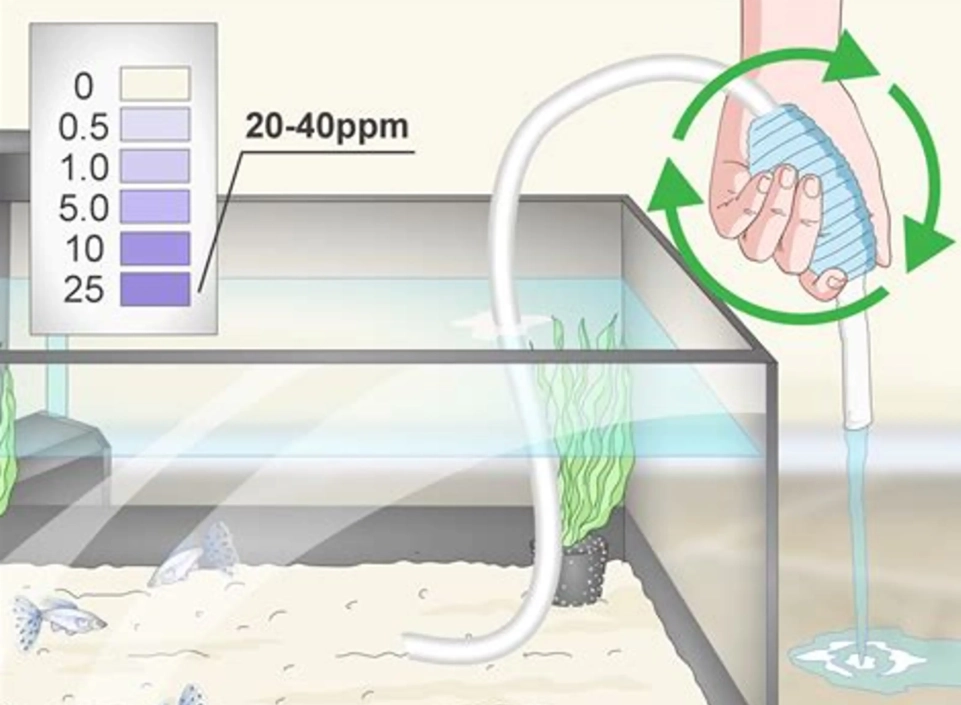
What Parameters Actually Matter?
You can test for twenty things. You don’t need to. In my experience, six parameters cover 95% of problems in freshwater tanks. Here’s the breakdown.
| Parameter | Why It Matters | Ideal Range (Freshwater) | How Often I Test |
|---|---|---|---|
| Ammonia (NH3/NH4) | Toxic to fish; first sign of a broken cycle | 0 ppm | Twice a week in new tanks, weekly after |
| Nitrite (NO2) | Blocks oxygen transport in fish; deadly | 0 ppm | Same as ammonia |
| Nitrate (NO3) | Less toxic but high levels stress fish and fuel algae | Under 40 ppm (ideally 10-20 ppm) | Weekly |
| pH | Affects fish osmoregulation; swings are worse than extremes | 6.5–7.8 (depends on species) | Weekly, and after water changes |
| Hardness (GH/KH) | Stability buffer; crucial for livebearers and shrimp | GH 4-8 dGH, KH 3-6 dKH (varies) | Monthly |
| Temperature | Affects metabolism, oxygen, and disease resistance | Depends on fish (e.g., 76–80°F for tropicals) | Daily glance |
Notice I didn’t list chlorine. That’s because I always use a water conditioner — if you don’t, test for it every water change. But most kits skip it. Keep an eye on your tap water quality report from your local municipality.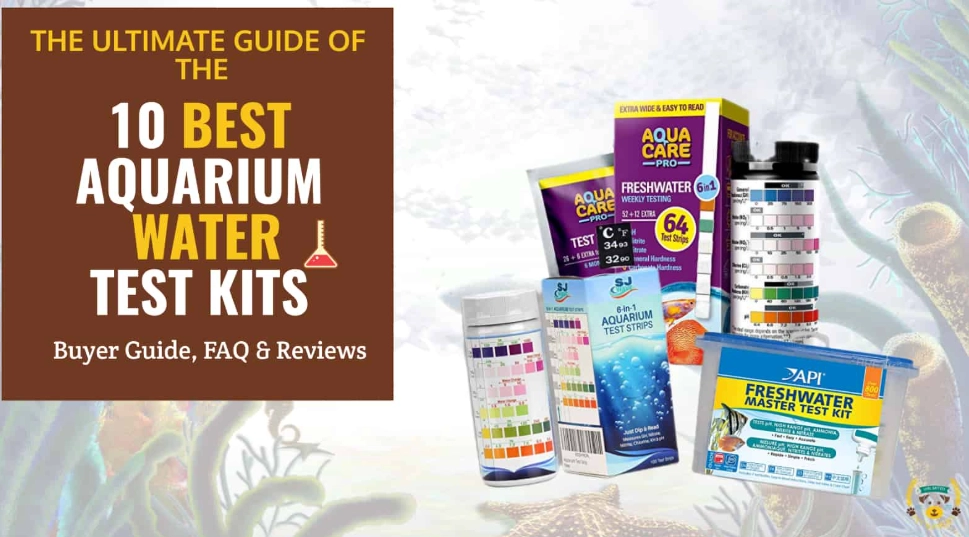
Test Kits: Strips vs. Liquid vs. Digital
I’ve used them all. Strips are fast but inaccurate — they’re great for a quick nitrate check, but I wouldn’t trust them with ammonia. Liquid kits (like the API Freshwater Master Test Kit) are the gold standard for hobbyists. They take longer but give you numbers that mean something. Digital meters? Only worth it for pH and TDS if you’re keeping sensitive species or breeding. For most of us, a liquid kit is the sweet spot.
Step-by-Step: How I Test My Aquarium Water
This is the exact routine I follow every Sunday morning. It takes 15 minutes. Grab your kit, a clean test tube, and a notebook (or a notes app).
1. Collect the Water Sample
Rinse the test tube with tank water first — don’t use tap water, it can skew results. Dip the tube about 3 inches below the surface. Avoid grabbing water right at the surface or near the filter output. I always sample from the same spot (front left corner) so my readings are comparable over time.
2. Run the Tests in the Right Order
Ammonia first, then nitrite, then nitrate. Why? Ammonia and nitrite are emergency parameters. If ammonia is above 0.25 ppm, stop — you need a water change, not a nitrate reading. I’ve seen folks run all tests, get a high nitrate, and ignore the ammonia spike that was the real culprit.
3. Read the Colors Under Natural Light
This is where most people go wrong. The color charts are calibrated for daylight. If you’re reading under a warm LED, your “0.25 ppm” ammonia might actually be 0. I open my blinds and hold the tube against a white piece of paper next to the chart. It sounds fussy, but it matters.
4. Log Everything
I keep a simple log: date, ammonia, nitrite, nitrate, pH, and any notes (e.g., “added new fish” or “filter cleaning”). After a few weeks, you’ll see patterns — like nitrate creeping up before a water change. That’s your early warning system.
Common Mistakes That Skew Results
Even seasoned hobbyists mess up. Here are the ones I see constantly — and a few I’ve made myself.
- Not shaking the nitrate reagent. The #2 bottle for nitrate tests needs a hard shake for 30 seconds. I once skipped it and got a reading of 80 ppm when it was actually 20. Scared me half to death.
- Using expired test kits. Liquid reagents degrade. If your kit is over a year old, buy new. The date is on the bottle.
- Testing right after feeding. Food breaks down fast. Wait at least an hour after feeding for a true ammonia reading.
- Ignoring the temperature. Test kits are calibrated for 25°C (77°F). If your tank is at 82°F, pH can read slightly higher. Not a huge deal, but worth knowing.
One more thing: don’t rinse your test tubes with soap. Ever. A trace of detergent will give you a false ammonia spike. I use hot water and a bottle brush, then air dry.
When Should You Test? A Realistic Schedule
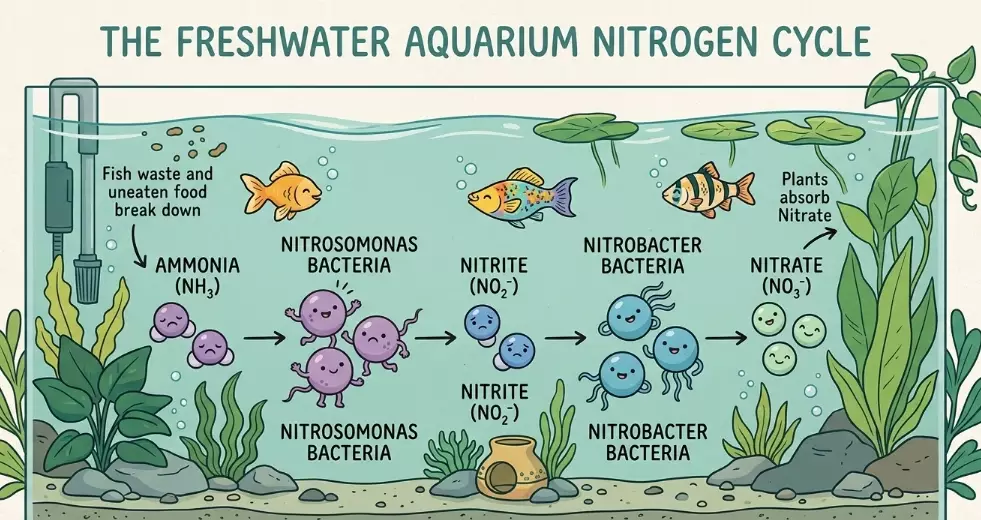
New tank (first 4-6 weeks): test ammonia and nitrite daily. Yes, daily. You’re watching the nitrogen cycle build. After a water change, wait 24 hours before testing — the conditioner can temporarily bind ammonia and give a false low.
Established tank: weekly for nitrate and pH. Ammonia and nitrite only if something looks off (fish gasping at surface, cloudy water, sudden algae bloom). I also test after adding new fish, after a filter cleaning, or if I’ve medicated the tank. Those events disturb the bacteria colony.
Here’s a quick reference table for what to test when:
| Scenario | Ammonia | Nitrite | Nitrate | pH |
|---|---|---|---|---|
| New tank cycling | Daily | Daily | Weekly | Weekly |
| Established, no issues | Weekly | Weekly | Weekly | Monthly |
| After adding fish | Every other day for a week | Every other day for a week | Weekly | After 24h |
| Fish acting sick | Immediately | Immediately | Immediately | Immediately |
Expert Answers to Tricky Questions
Testing water isn’t glamorous. It’s a habit. But it’s the single best investment you can make in your fish’s health. I’ve seen tanks crash because someone skipped a week of testing — and I’ve seen tanks recover because the owner caught an ammonia spike early. Get a good liquid kit, log your results, and pay attention to trends. Your fish will thank you.
Fact-checked against the API Freshwater Master Test Kit instructions and the EPA’s guidelines for municipal water quality. No affiliate links, no fluff.
Comments