What's in this guide (skip ahead if you're in a hurry)
I still remember the first time I saw white spots on my fish. A little clown loach, covered in what looked like grains of salt. Panic mode. I dumped in some medication, turned up the heat, and hoped for the best. The fish died two days later. Not because I didn't care—because I treated the tank, not the disease. That lesson stuck with me. So when we talk about ich treatment aquarium, I'm not giving you a textbook answer. I'm giving you what I've learned from my own mistakes and from hours of watching fish behave in ways that tell you more than any test kit.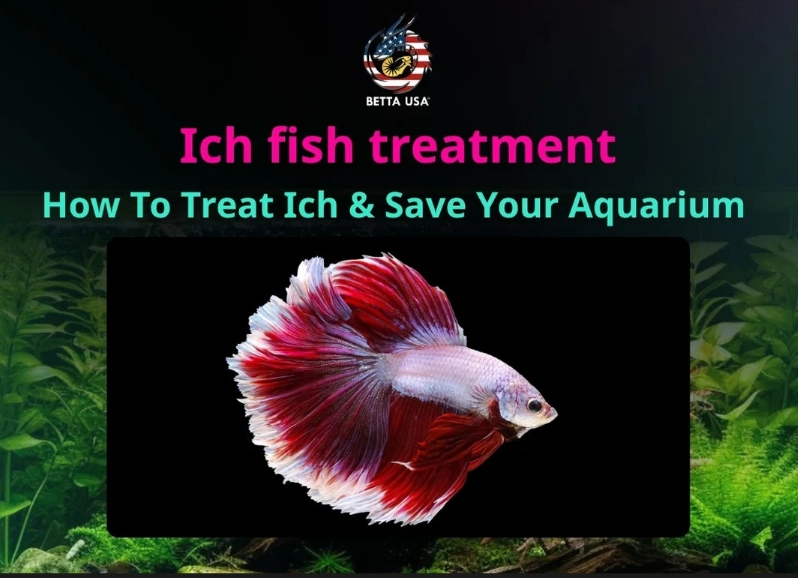
What is ich, really? (and why it keeps coming back)
Ich—short for Ichthyophthirius multifiliis—is a parasite. Not a bacteria, not a fungus. It has three stages: the white spot you see on the fish (trophont), a free-swimming stage (theront) that's invisible to the naked eye, and a cyst stage (tomont) that drops to the substrate and multiplies. The tricky part? By the time you see the spots, the parasite is already embedded under the skin. Medication in the water can't touch it there. That's why your first instinct—dumping in medicine—often fails.
What actually kills ich is targeting the free-swimming stage. And that's where heat comes in. The theront stage is vulnerable, but it's also fast. The cyst stage? It can survive for days. This is why treating for 10–14 days straight is non-negotiable. Skip a day and the whole cycle restarts.
One more thing: ich doesn't just appear from nowhere. It comes in on new fish, plants, or even water from the fish store. I learned to quarantine everything—even snails. Yeah, it's a hassle. But less hassle than losing a whole tank.
How to treat ich in your aquarium step by step
Here's the exact process I use now. It's not fancy, but it works.
Step 1: Crank up the heat (slowly)
Target 86°F (30°C). Most strains of ich can't reproduce well at that temperature. But don't just turn the dial to max—raise it by 1–2°F per hour. Fish stress more from sudden changes than from the heat itself. If you have cold-water fish like goldfish, this is where it gets tricky—they don't love 86°F long-term. In that case, you'll need to rely more on medication. More on that below.
Step 2: Add an air stone
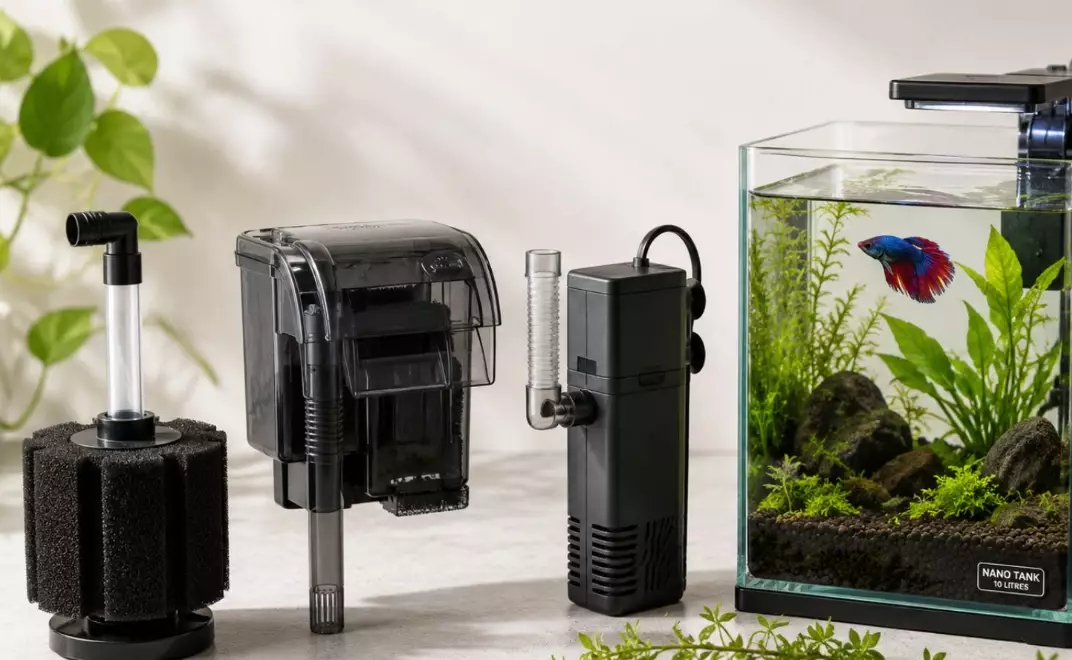
Warmer water holds less oxygen. Your fish are already fighting a parasite, don't let them gasp for air. I always drop in an extra air stone near the filter output. Cheap insurance.
Step 3: Gravel vacuum like you mean it
Every other day, vacuum the substrate thoroughly. The cysts drop down there. Suck them up before they hatch. I use a Python gravel vac and empty into a bucket with a white towel at the bottom—you'll see the little cysts as tiny white specks. Gross, but satisfying.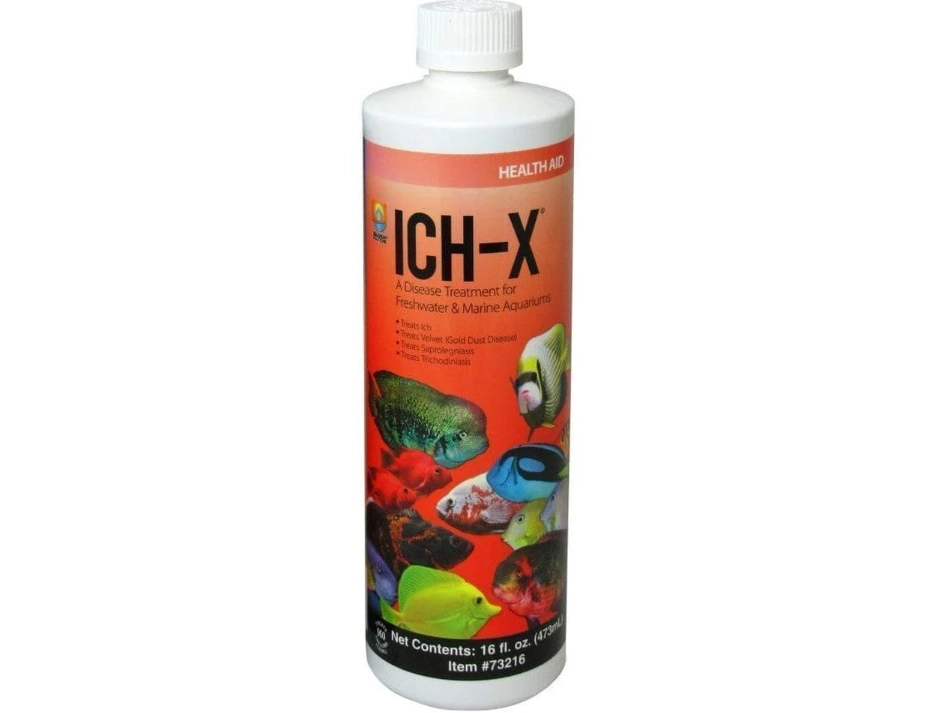
Step 4: Medication—only if needed
If heat alone isn't cutting it after 3–4 days, or if you have scale-less fish (loaches, catfish) that struggle with high heat, use a medication. I've had good results with API Super Ick Cure (malachite green and formalin). Follow the label exactly, and remember to remove carbon from your filter. Carbon sucks the medicine right out.
One more thing—if you're treating with medication, watch your biological filter. Some meds can crash your cycle. I always keep a bottle of beneficial bacteria on hand just in case.
| Treatment Method | Best For | Typical Duration | Key Consideration |
|---|---|---|---|
| Heat only (86°F) | Hardy fish, early detection | 10–14 days | Increase aeration, watch oxygen levels |
| Heat + salt (1 tsp per gallon) | Many freshwater fish | 10–14 days | Not for scaleless fish or plants |
| Malachite green/formalin meds | Severe cases, cold-water fish | 5–7 days | Remove carbon, may stain silicone |
| Copper-based meds | Hospital tank only | 7–10 days | Toxic to invertebrates |
That table is a starting point, but don't treat it like a recipe. Every tank is different. I've had tanks where heat alone did the job in a week. I've also had stubborn cases where I had to combine heat and medication for a full 14 days.
Medication vs. heat: which one should you pick?
There's a lot of debate online. Some people swear by heat. Others say heat alone is cruel. Here's my take after trying both: heat is my first choice for most tropical fish. It's less invasive, doesn't mess with the cycle, and it's cheaper. But there are exceptions.
Scale-less fish (like clown loaches or pictus cats) can be sensitive to high heat. For those, I use a half-dose of medication alongside a moderate heat bump (82–84°F). And if you have plants, many medications will melt them. Heat usually doesn't.
What about salt? It's an old-school remedy and it works for many people. But I've burned plants with salt before. If your tank is planted, be careful. Or remove the plants to a bucket for the treatment period.
One thing I see a lot in forums: people treating for three days, seeing the spots disappear, and stopping. Don't do that. The spots disappearing means the trophonts have dropped off to reproduce. They'll be back. Treat for the full 10–14 days, even if the fish look fine.
The mistake almost everyone makes with ich treatment
The single biggest mistake? Treating the display tank and leaving the filter running with carbon. Carbon removes medication. I've seen people dose daily and wonder why nothing happens. Check your filter. If it has carbon, pull it out. Replace it with filter floss or nothing at all until treatment is done.
Second mistake: not removing the fish to a hospital tank. I get it—catching fish is a pain. But if you have a severely infected fish, moving it to a small bare-bottom tank makes treatment easier and protects your main tank. I use a 10-gallon hospital tank with a sponge filter that's already cycled (I keep it running in my main sump). It's there when I need it.
Third mistake: assuming ich is gone because you can't see spots. It's not. The life cycle is sneaky. Treat for the full duration, then wait a week after the last spot disappears before you breathe easy.
Straight answers to questions you're probably asking
Can I use ich treatment with snails and shrimp in the tank?
Most ich medications will kill invertebrates. Copper-based ones definitely will. Heat can also stress them, though many snails tolerate 86°F for short periods. If you have a community tank with shrimp or snails, move them to a separate container during treatment. I learned that the hard way—lost a whole colony of cherry shrimp to a malachite green dose. Now I always set up a temporary holding tank for them.
How long does ich treatment take before I see improvement?
The spots usually start dropping off within 48–72 hours of starting heat treatment. But don't stop there. The free-swimming stage is still in the water. Keep treating for at least 10 days after the last spot disappears. If you stop early, you're just giving the parasite a break. I've seen tanks relapse after a 5-day treatment more times than I can count.
Does garlic really work for ich?
Garlic can boost a fish's immune response, and some studies show it helps them fight off parasites. But it's not a cure. I use it as a supplement—soak the food in garlic guard—but I wouldn't rely on it alone. Think of it as support, not a treatment.
What if I have a planted tank and can't use heat or meds?
You can try a combination of lower heat (82°F) and a plant-safe medication like Ich-X. But honestly, the most reliable approach is to move the fish to a hospital tank and treat there. Plants can handle 82°F, and you avoid staining your silicone or melting your plants. It's more work upfront, but it saves you from a bigger mess later.
I've been through ich more times than I'd like to admit. The first time was a disaster. Now I keep a bottle of Ich-X and a spare heater on the shelf. Not because I expect it, but because I know it can happen to anyone—even if you quarantine. The key is acting fast, staying patient, and not cutting the treatment short. Your fish will thank you. And if you're new to this, don't beat yourself up. We've all been there.
This article was fact-checked against the Merck Veterinary Manual and the American Fisheries Society guidelines.
Comments