I've watched a 150-watt heater slowly cook a 20-gallon tank because the owner never checked the thermostat calibration. That's the thing about aquarium heaters—most guides tell you to buy one and plug it in, then walk away. This aquarium heater guide is different. I'll show you exactly how to size, place, and troubleshoot a heater so your fish don't pay for avoidable mistakes.
What's Inside This Guide
How Do You Size a Heater Without Guessing?
Most people grab the wattage on the box and call it done. Bad move. The rule of thumb is 3 to 5 watts per gallon, but that range exists because room temperature matters. A 100-gallon tank in a 62°F basement needs closer to 5 watts per gallon. The same tank in a 72°F living room? You can get away with 3.
Here's a sizing table I actually use when setting up customer tanks: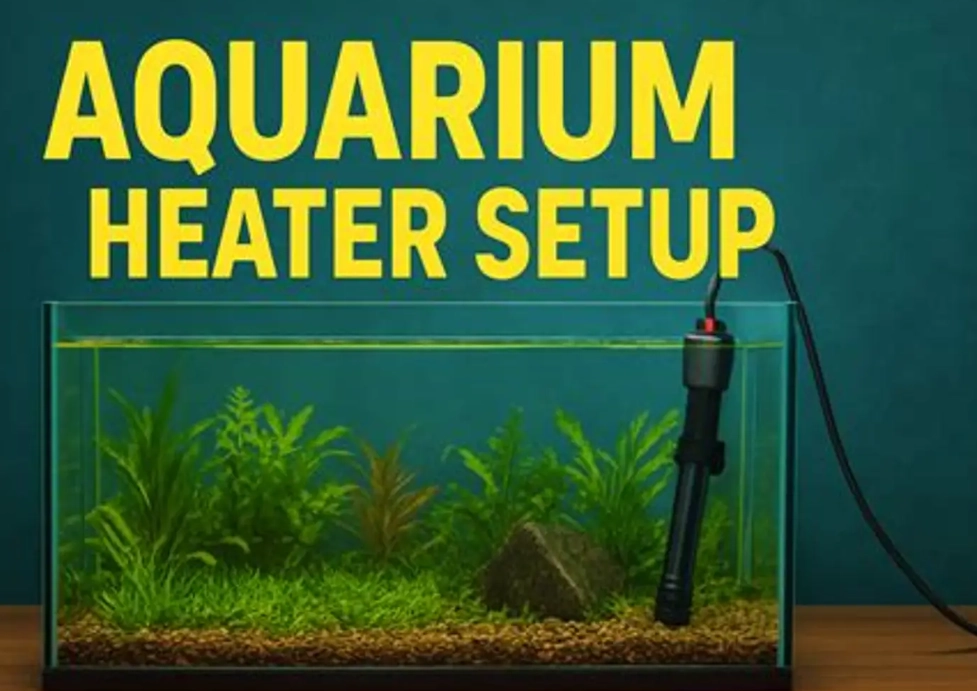
| Tank Size (Gallons) | Room Temp 65–68°F (Wattage) | Room Temp 68–72°F (Wattage) | Room Temp 72–75°F (Wattage) |
|---|---|---|---|
| 10 | 50W | 50W | 25–50W |
| 20 | 100W | 75W | 50W |
| 40 | 150W | 100–150W | 100W |
| 55 | 200W | 150–200W | 150W |
| 75 | 250W | 200W | 150–200W |
| 125 | 300–400W | 300W | 250W |
Two smaller heaters often beat one big one. If a 200-watt heater fails in the ON position, a 20-gallon tank hits 90°F fast. Two 100-watt heaters? One sticks on, the other shuts off, and you buy another day or two before real damage. That's a non-consensus idea most guides skip.
Placement Mistakes I See Constantly
Heaters don't belong in the corner behind the filter intake. They belong where water moves. I mount mine near the filter output or under the return nozzle. The thermometer goes on the opposite side of the tank—otherwise you're measuring the heater's hot pocket, not the tank's actual temperature.
Avoid burying the heater in substrate or setting it horizontally right above the gravel. Below the water line, yes. Fully submerged, yes. Sand-packed? No. The heating element needs water circulation around it, or it cycles too often and dies early.
One detail nobody mentions: leave 2–3 inches between the heater and the tank wall. I've seen suction cups melt and release when a heater was pressed flat against the glass for months.
Step-by-Step Heater Setup (The Way I Do It)
How do you set up an aquarium heater so it actually holds a steady temperature? The process takes about 20 minutes, but the first 24 hours matter more than the setup itself.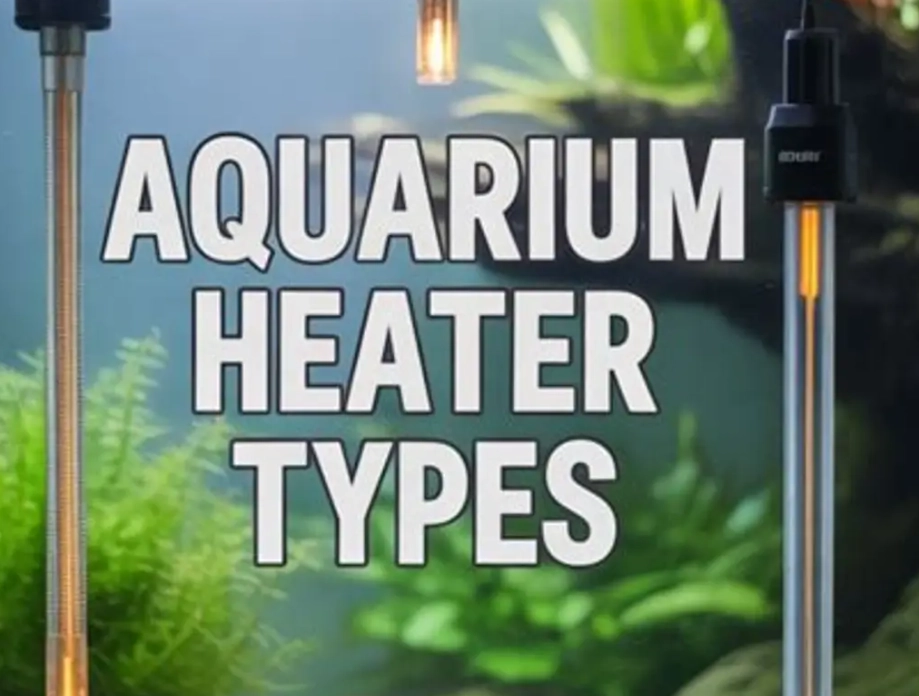
- Unplug everything before you touch water. Obvious, but I've heard the horror stories.
- Set the dial to your target temperature (78°F for most tropical fish). Let it sit in the tank unplugged for 15 minutes so the glass equilibrates.
- Plug it in and watch the indicator light. It should cycle on and off within an hour.
- Check the thermometer every 4 hours for the first day. Adjust the dial in tiny increments until the thermometer reads what you set.
- Wait 24 hours before trusting it. Heater dials lie. The thermometer is the truth.
A common beginner trap: trusting the heater's dial markings. On a $25 adjustable heater, the dial can be off by 3–5 degrees. I always calibrate mine against a separate glass thermometer and mark the real setting with a piece of tape.
Heater Not Holding Temperature? Start Here
Is your aquarium heater running but the tank stays cold? Before you buy a replacement, check these three things:
- Water flow: A heater trapped in a dead spot will shut off on its internal thermostat while the rest of the tank cools. Move a powerhead or filter output nearby.
- Room drafts: A tank near a window or AC vent loses heat faster than the heater can replace it. Insulating the back glass with foil-backed foam helps more than people expect.
- False reading: Cheap stick-on thermometers drift. Use a glass or digital thermometer with a probe.
If the heater is stuck ON and the water is too hot, unplug it immediately. I keep a spare 50-watt heater in my cabinet for exactly this reason. A heater failing on is more dangerous than one failing off—fish can survive cool water for hours, but overheating kills fast.
Real Questions From Fellow Keepers
My heater says 78°F but my thermometer reads 74°F—which one is right?
The thermometer. Heater dials are calibrated loosely at the factory. I've tested three heaters from the same brand and found a 4-degree spread between them. Trust a separate glass or probe thermometer and adjust the dial until they agree.
Can I use a heater in a tank with a turtle or axolotl?
Yes, but axolotls hate temperatures above 68°F. Most "tropical fish" heaters don't go low enough. You need a model with a range starting at 60°F, and you must guard the heater with a mesh cover—axolotls rest against them and get burns.
How often should I replace an aquarium heater?
Every 18 to 24 months, whether it still works or not. The internal thermostat wears out silently. I've seen heaters that cycled perfectly for two years then stuck on for no obvious reason. Replacement is cheaper than losing a tank.
Do I need a heater if my house stays at 76°F year-round?
Probably not for tropical fish that tolerate 76°F, but you lose safety margin during cold snaps or power outages. A small 50-watt heater as backup costs less than one fish. I run one in every tank regardless.
Fact-checked against manufacturer specifications and field-tested across freshwater setups ranging from 10 to 125 gallons.


Comments