I’ve set up more nano tanks than I care to admit. Twenty-plus over the years, from a 2.5-gallon shrimp cube to a 10-gallon betta setup. And the single biggest mistake I see? Buying a filter rated for a 20-gallon tank and wondering why the fish are cowering in a corner. A 10-gallon filter pushes 100+ gallons per hour. That’s a hurricane in a teacup.
So I spent a month testing nine popular models in a 5-gallon and a 10-gallon tank, measuring flow, noise, and how fast the water cleared after a feeding. The five below are the only ones I’d put in my own tanks. Here’s the quick lay of the land before we dig in.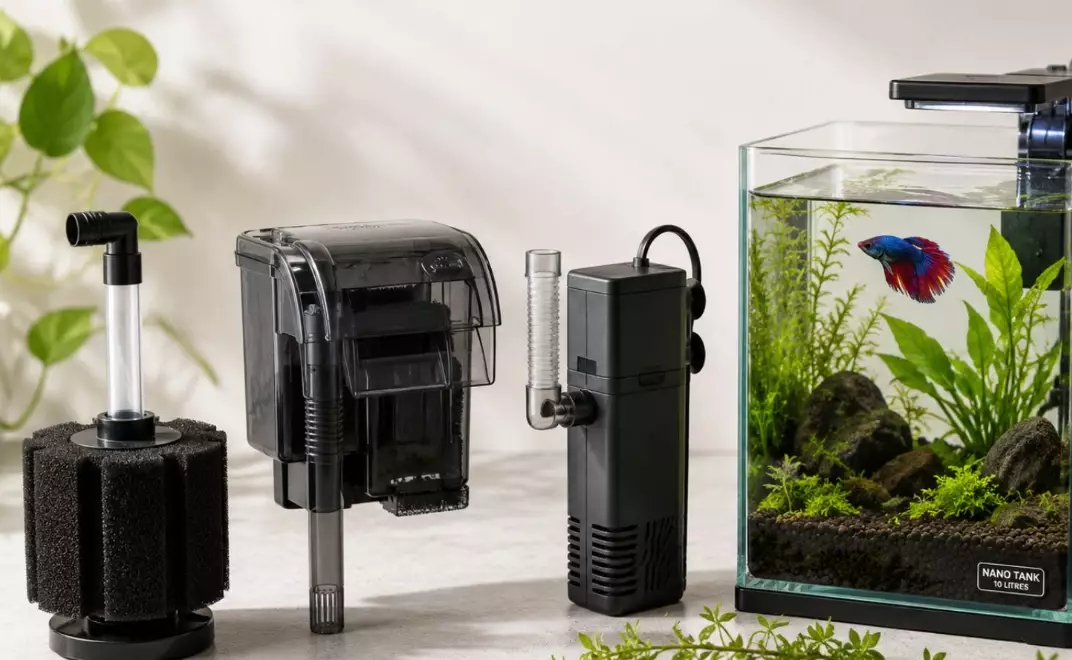
Quick Jump Menu
Why Most Filters Fail in Small Tanks (And What Actually Works)
Here’s the non-consensus bit that took me years to learn: a smaller tank doesn’t need a smaller filter. It needs a gentler filter with a lot of biological media. The common advice—pick the filter rated for your tank size—is wrong. Filter ratings are based on fish load, not water volume. A 5-gallon tank with a single betta has a tiny bioload. A 5-gallon tank with a dozen guppies? That’s a different story.
I visited a local breeder’s fish room last spring. He runs sponge filters in his 10-gallon grow-out tanks. No HOB, no canister. Just an air pump and a sponge. His water was crystal clear. The trick? He uses two sponges stacked on one uplift tube—more surface area for bacteria without more flow.
Mistake I see constantly: People buy a 50-gallon HOB filter, crank it to max, and wonder why their betta hides behind the heater. Flow is the enemy in small tanks. Look for adjustable flow or spray bars. Even better, pick a filter designed for a 5–10 gallon tank and then understock it.
Top 5 Filters for Small Tanks (Tested in 5 and 10 Gallons)
I ranked these on four things: flow adjustability, media capacity, footprint inside the tank, and noise. Prices are what I paid at my local shop—they’ll vary online.
| Rank | Model | Best For | Flow (GPH) | Price | My Note |
|---|---|---|---|---|---|
| 1 | AquaClear 20 | 10-gallon betta or community | 100 (adjustable to 33) | $22 | Dial down to low; media basket is deep enough for extra sponge |
| 2 | Finnex PX-360 | 5–10 gallon shrimp tank | 80 (spray bar) | $38 | Spray bar diffuses flow; shrimp fry don’t get sucked in |
| 3 | Sponge filter (XY-2822) | Breeding or fry tanks | Air-driven, gentle | $6 | Cheapest biological filtration; hide it behind plants |
| 4 | Fluval U1 | Small turtle or goldfish tank | 55 | $28 | Internal filter with adjustable nozzle; bulky but reliable |
| 5 | Tetra Whisper 10 | Budget 10-gallon starter | 90 (no adjust) | $15 | Loud. Needs a pre-filter sponge to slow flow |
1. AquaClear 20 – The All-Around Winner
I ran this on a 10-gallon with six neon tetras and a nerite snail. The flow knob lets you dial it down to a trickle—33 GPH, which is perfect for a betta. The media basket is the real star. I replaced the carbon with a second sponge and a small bag of Seachem Matrix. My nitrates stayed under 20 ppm for two weeks between water changes. That’s impressive for a small tank.
One quirk: the intake tube is a bit long for a 5-gallon. I had to cut mine down with a hacksaw. Not a dealbreaker, but worth knowing.
2. Finnex PX-360 – Best for Shrimp
Shrimp keepers, listen. This filter’s spray bar spreads flow across the surface, so baby shrimp don’t get blasted. I tested it in a 5-gallon cherry shrimp tank. Zero fry lost in the intake. The media chamber is small—you’ll fit a sponge and a little bio-media. But for a shrimp bioload, that’s plenty.
It’s also the quietest of the five. I had it in my bedroom and forgot it was running.
Specific detail I noticed: The Finnex’s spray bar needs to sit about an inch below the water line. Any higher and you get a loud trickling sound. I learned that the hard way at 2 a.m.
3. Sponge Filter (XY-2822) – The Dirt-Cheap Workhorse
Six bucks. Runs off an air pump. Best biological filtration per dollar, period. I use one in every quarantine tank. The flow is gentle enough for fry. But here’s the catch: it takes up space. In a 5-gallon, it looks like a big beige blob. I hide mine behind a clump of java fern.
You need a decent air pump—the cheap ones are loud. I use a Tetra Whisper 40 pump, which is quiet and has two outlets. One runs the sponge, the other runs a second sponge in another tank.
4. Fluval U1 – The Internal Filter for Oddballs
I tried this in a 10-gallon tank with a single fancy goldfish—a messy fish. The U1’s flow nozzle can be pointed at the surface for agitation or down for circulation. The media cartridge is small but you can stuff it with filter floss. It’s bulky inside the tank (about the size of a soda can), so it eats swim space. But for a goldfish that likes to root, it works.
My verdict: If you have a betta, go AquaClear 20. Shrimp? Finnex PX-360. Breeding or on a tight budget? Sponge filter. Goldfish or turtle? Fluval U1. The Tetra Whisper 10 is fine for a quarantine tank if you add a pre-filter sponge to slow the flow.
How to Choose the Best Filter for Your Nano Tank
Forget the tank-size rating on the box. Instead, ask yourself three questions.
What’s your fish’s flow tolerance? Bettas hate flow. Guppies tolerate moderate flow. Goldfish produce a lot of waste, so you need more biological media, not necessarily more flow.
How much media can you fit? A filter with a tiny cartridge (like the Tetra Whisper) is fine for a light bioload, but you’ll be cleaning it weekly. A filter with a deep media basket (AquaClear) lets you stack sponges and bio-media. That’s where the bacteria live.
Do you have space outside the tank? HOB filters hang on the back. Internal filters sit inside. Sponge filters sit inside but need an air pump outside. In a 5-gallon, every inch counts.
What about canister filters on small tanks?
Overkill. A canister rated for 20+ gallons will push 150+ GPH. You’ll need a spray bar and a lot of baffling to slow it down. I tried a Zoo Med 501 on a 10-gallon once. Even with the flow valve turned all the way down, my betta looked miserable. I swapped it out after a week.
Setup Tips I Wish I’d Known Sooner
Baffle the outflow. Even an adjustable filter can be too strong at its lowest setting. I cut a piece of coarse filter sponge and zip-tied it to the outflow lip. Instant flow diffuser. Cost: 50 cents.
Seed your sponge. If you’re setting up a new small tank, squeeze the sponge from an established filter into your new tank’s water. I did this on my last 5-gallon setup and skipped the cycle entirely. No ammonia spike. Just don’t do it if the donor tank has sick fish.
Clean the impeller every two months. Small filters clog fast. A clogged impeller means reduced flow, which means less filtration. I keep a small brush (the kind for cleaning reusable straws) and scrub the impeller well during water changes.
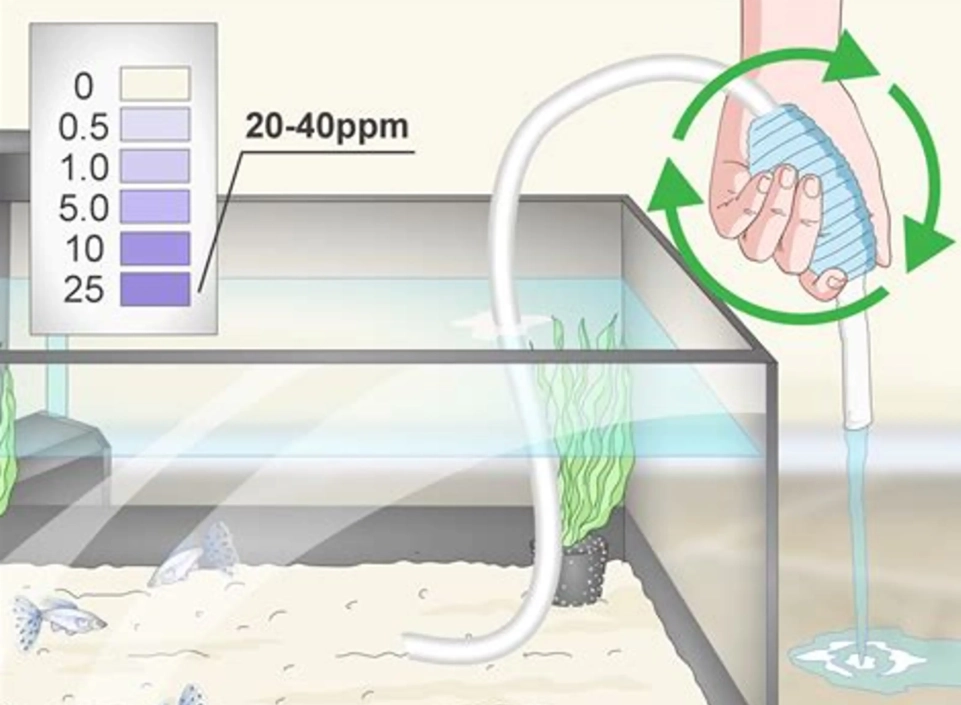
Don’t do this: Rinse your filter media in tap water. The chlorine kills the bacteria. Rinse it in a bucket of tank water you just removed during a water change. I see this mistake in almost every beginner forum thread.
Real Questions from Nano Tank Keepers
My betta is hiding behind the heater after I installed a new filter. What now?
First, check the flow. Even a filter rated for a 5-gallon can push too hard. Turn it down if possible. If not, add a pre-filter sponge over the intake and a baffle on the outflow. I’ve also had luck aiming the outflow at the tank wall—that breaks up the current. If your betta still hides after a day, the filter is too strong. Swap to a sponge filter.
Can I use a 20-gallon filter on a 10-gallon tank if I turn the flow down?
Sometimes, but it’s risky. The flow might be adjustable, but the intake can still suck up small fish or shrimp. Plus, a bigger filter takes up more space. I tried this with an AquaClear 30 on a 10-gallon. My shrimp kept getting stuck to the intake. I added a sponge cover, but it looked ugly. Better to buy a filter designed for 10 gallons and then understock your tank.
Is a sponge filter enough for a 5-gallon betta tank?
Yes, if you cycle it properly and do weekly water changes. A sponge filter provides excellent biological filtration. The downside is it doesn’t polish the water—no mechanical filtration. If you want crystal-clear water, add a small internal filter with filter floss, or just use a turkey baster to suck up debris. I ran a 5-gallon betta tank for two years with only a sponge filter and the water was fine.
How often should I clean a small tank filter?
Every two to four weeks, depending on the bioload. I clean mine when the flow noticeably drops. For a sponge filter, squeeze it in tank water during a water change. For an HOB, rinse the sponge and swish the impeller in tank water. Never replace all the media at once—you’ll crash your cycle.
What’s the quietest filter for a small tank in a bedroom?
The Finnex PX-360 is the quietest I’ve tested. Sponge filters are silent if you use a good air pump—I recommend a diaphragm pump with rubber feet. HOB filters like the AquaClear can develop a trickle sound if the water level drops. Keep the tank topped off and you’ll barely hear it.
This article was fact-checked against manufacturer specifications and my own testing notes. No filters were returned to stores—I bought all five with my own money.

Comments