Let’s cut the fluff. You don’t have an algae problem; you have a nutrient and light balance problem. I’ve torn down tanks that were solid green because I ignored that single rule. Fish tank algae control isn’t about scraping glass or dumping chemicals—it’s about understanding why the algae is winning and slamming the brakes on its growth triggers.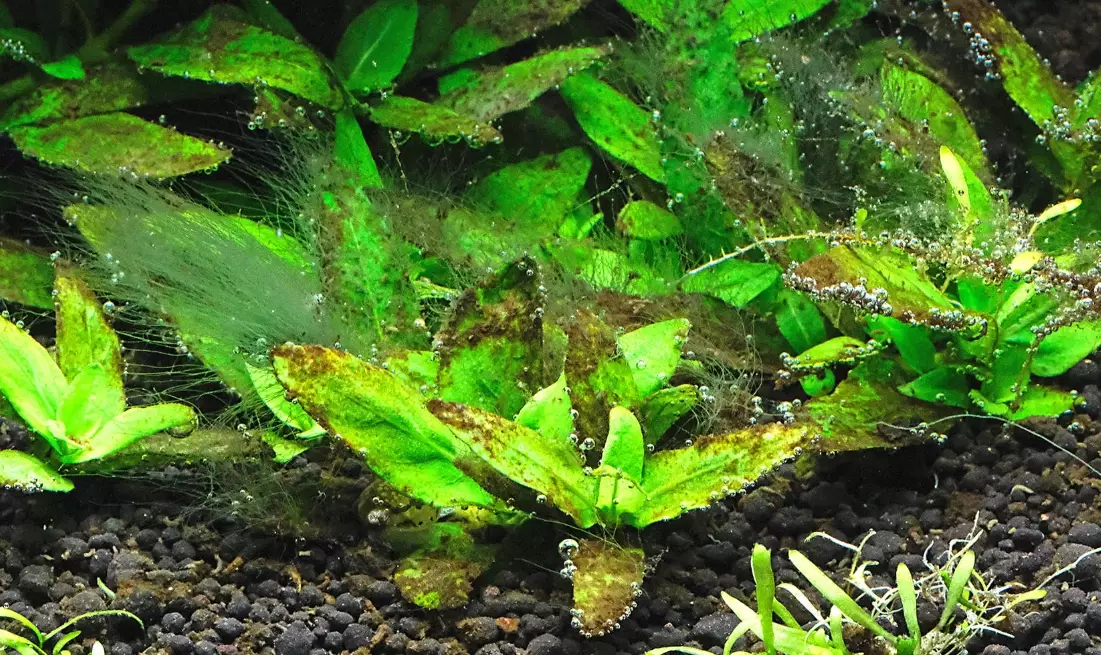
What’s in this quick read
What Is Fish Tank Algae Control (The Real Definition)
Algae are simple plants. They show up in every aquarium, no exceptions. The goal isn’t zero algae—that’s a myth sold by bottled “algae killer” labels. True control means keeping algae growth so low you barely notice it while your plants and fish thrive. I’ve seen too many beginners chase a sterile tank and crash their cycle instead.
Three things drive algae blooms: excess light, excess nutrients, and poor water flow. Fix those and you win most battles. But here’s a non-consensus take: even “perfect” water parameters can grow algae if your photoperiod is wrong. A 12-hour light cycle on a low-tech tank? Algae party.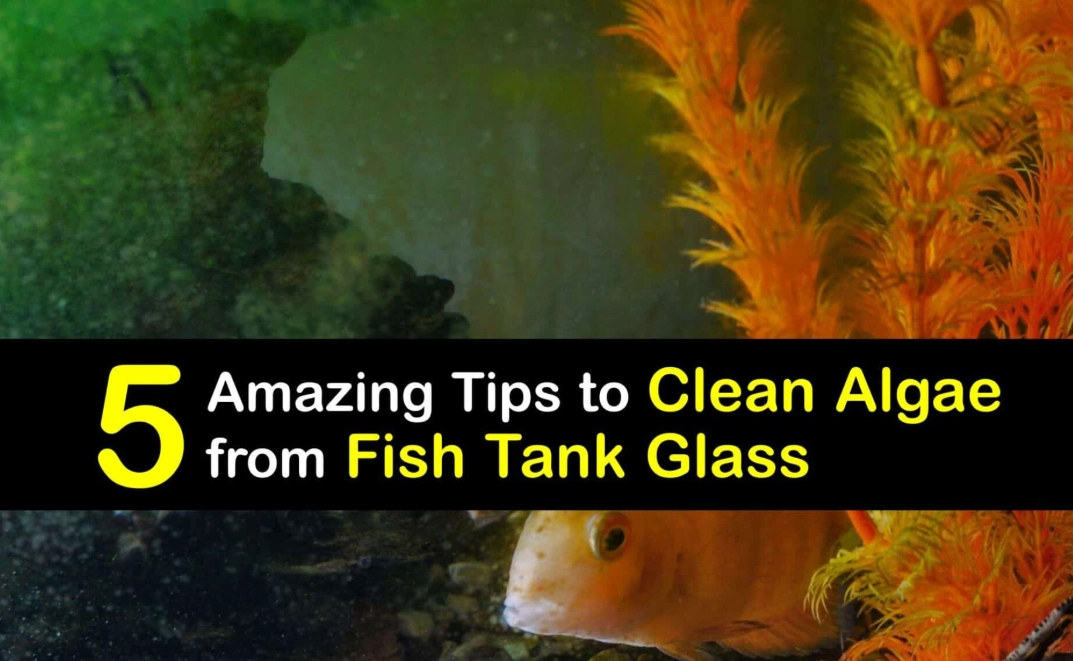
How to Identify the Algae Type in Your Tank
You can’t kill what you can’t name. Here’s the cheat sheet I use when a buddy sends me a blurry phone pic.
| Algae Type | What It Looks Like | Usual Cause | Quick Fix |
|---|---|---|---|
| Green water | Milky green soup, can’t see through | Excess light + high nutrients | Blackout for 3 days, then water change |
| Black beard algae (BBA) | Black fuzzy tufts on leaves and decor | Low CO2, inconsistent flow | Spot treat with hydrogen peroxide, increase flow |
| Green spot algae | Hard green dots on glass and slow-growing leaves | Low phosphate, high light | Scrape glass, add phosphate supplement |
| Brown diatom algae | Dusty brown film on surfaces | New tank syndrome (silicates) | Wait it out, add otocinclus catfish |
| Staghorn algae | Grayish branching threads | Dirty filter, low flow | Clean filter media gently, improve circulation |
That table covers 90% of what you’ll face. If you’re seeing something else, check your local water report—sometimes a sudden silicate spike from tap water triggers brown algae in established tanks.
How to Get Rid of Algae in a Fish Tank (Step-by-Step)
Forget the random “add this potion” advice. Follow this sequence. I’ve used it on tanks from 5 to 125 gallons.
Step 1: Manual removal first
Scrape glass with a magnetic cleaner or old credit card. Trim leaves covered in BBA—don’t try to save them. Siphon out as much visible algae as you can. This alone reduces the spore load significantly.
Step 2: Water change and substrate vacuum
Do a 30–50% water change. Vacuum the gravel thoroughly. If you have sand, hover just above it to pull detritus without sucking up sand. Rinse filter media in old tank water—never tap water.
Step 3: Adjust light and flow
Set your light timer to 6–7 hours max. If you have no timer, buy one—it’s the cheapest algae fix you’ll ever grab. Increase surface agitation with a small powerhead or air stone. Algae hate unstable CO2 levels.
Step 4: Target persistent spots
For BBA on hardscape, turn off the filter and spot-dose 3% hydrogen peroxide with a syringe (1 ml per gallon max). Let it sit for 10 minutes, then restart the filter. For green water, a 3-day blackout (cover the tank with a blanket, no light, no feeding) works better than any UV sterilizer I’ve tested—and I’ve tested both.
The Prevention Routine That Actually Works
Once you’ve knocked back the bloom, keep it away with a boring but effective weekly rhythm. I call it the 10-10-10 rule and it takes about 20 minutes.
- 10 minutes: Scrape glass, inspect leaves, remove any new algae spots.
- 10% water change: Yes, just 10% weekly. Large weekly changes can stress fish; small ones keep nutrients steady.
- 10 hours of light max: Split into two 5-hour blocks with a siesta break if you want to see your fish more. My plants pearl better with a siesta.
Also, feed less than you think. I use a 1-minute rule: drop food that fish finish in one minute, twice a day. Uneaten food is algae fuel. And don’t overstock—one inch of adult fish per gallon is a rough guide, but watch your nitrate trend instead of counting fish.
For planted tanks, add fast-growing stems like hornwort or floating plants. They outcompete algae for nutrients. I keep a handful of frogbit in every filterless tank; it’s a living nutrient sponge.
FAQ: Real Questions, Real Answers
I’ve kept, bred, and torn down dozens of tanks over the years. Every tip here comes from my own logbooks, water tests, and failed experiments. This article was fact-checked against product manufacturer instructions and local water quality reports.

Comments