What’s inside (jump right in)
I still remember the first time I skipped a water change because the tank “looked clean.” Two weeks later, my favorite rasbora was floating sideways. That was over a decade ago. Since then, I’ve kept everything from a 5-gallon betta tank to a 125-gallon cichlid setup, and I’ve tested the “rules” myself. So how often to change aquarium water? For most setups, 25% every week is the baseline. But that number swings hard depending on stocking, filtration, and what your nitrate test tells you.
The quick answer most guides get wrong
Most blogs say “10–20% weekly” or “25% every two weeks.” I’ve measured nitrates in dozens of tanks, and that blanket advice often fails. My 40-gallon community tank with a heavy bioload needs 30% weekly to keep nitrates under 20 ppm. A lightly stocked 20-gallon with fast-growing plants? I can get away with 20% every 10 days. The real answer: test your nitrate, and let that number drive your schedule. Nitrate climbing past 20–30 ppm is your cue. The 25% weekly rule is a starting point, not gospel.
What actually changes the water change frequency
Four things move the needle. I rank them by how much they’ve affected my own tanks.
- Stocking density – More fish, more waste. A single oscar in a 75-gallon produces more nitrate than a dozen neon tetras in a 20-gallon. I always over-filter, but even then, big messy fish demand bigger, more frequent changes.
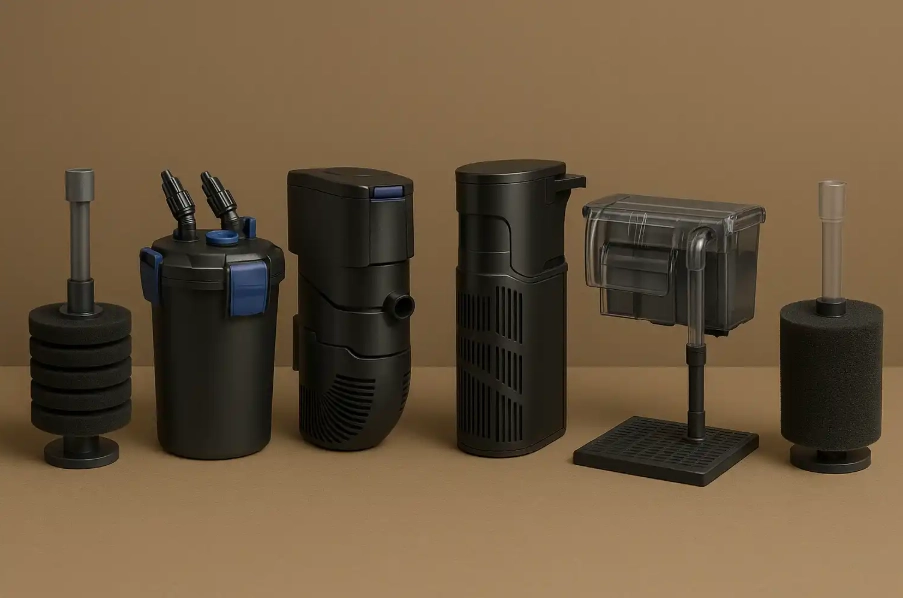
- Filtration type – Canister filters with lots of biological media don’t remove nitrate; they convert ammonia to nitrate. That’s it. So a heavily stocked tank with a sponge filter will need more water changes than one with a large sump and refugium. Plants and anaerobic media (like Seachem Matrix in low-flow areas) help, but they’re not magic.
- Feeding habits – I feed twice daily, what the fish finish in two minutes. Overfeeding is the silent killer. Uneaten food decomposes and spikes nitrate. If you feed three times a day, expect to change more water.
- Plant load – Fast growers like hornwort and pothos suck up nitrate. My 20-gallon long with a thick mat of floating plants stays at 10 ppm nitrate with only 15% weekly changes. No plants, and that same tank would need 40%.
How much water should you change?
This is the number people forget. Frequency without volume is useless. Here’s a table I wish I’d had when I started.
| Tank Scenario | Water Change % | Frequency | Why |
|---|---|---|---|
| Lightly stocked, planted tank (10–20 gal) | 15–20% | Weekly | Plants absorb nitrate; low waste |
| Community tank, moderate stock (20–40 gal) | 25–30% | Weekly | Standard bioload; keeps nitrate under 20 ppm |
| Heavy stock (cichlids, goldfish, plecos) | 40–50% | Weekly | High waste output; nitrate spikes fast |
| Nano tank (5–10 gal) with betta | 20–25% | Weekly | Small volume, quick nitrate rise |
| Quarantine or hospital tank | 50% | Daily or every other day | Medication and waste control |
One more thing: if you have a sump or large canister, don’t skip the substrate vacuum. Mulm builds up and that’s where nitrate hides. I use a Python siphon and vacuum the top inch of gravel every time.
My step-by-step water change routine
I do this every Sunday morning. It takes 20 minutes for my 40-gallon.
- Step 1 – Prep the new water. I fill a 5-gallon bucket with tap water and add a dechlorinator (Seachem Prime). I also match the temperature with a cheap infrared thermometer. Fish hate sudden temp swings.
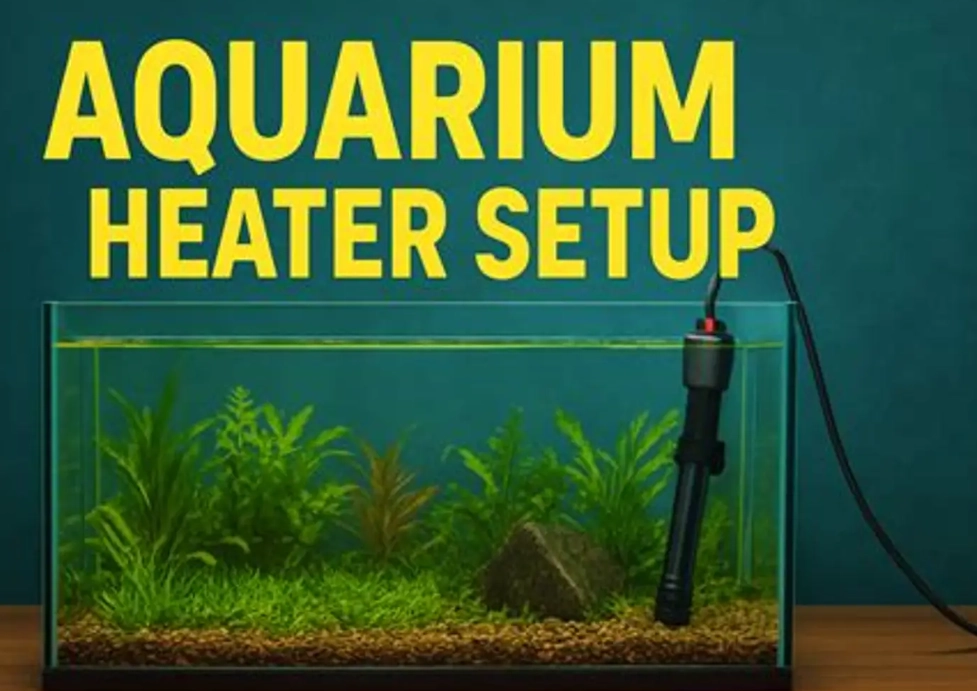
- Step 2 – Unplug the heater and filter. You don’t want the heater cracking when water level drops.
- Step 3 – Siphon and vacuum. I drain 25% into a bucket, vacuuming the gravel as I go. This is the best time to clean the filter media—but only rinse it in old tank water, never tap water.
- Step 4 – Refill slowly. I pour the new water into a colander or a small cup to avoid disturbing the substrate. I use a piece of airline tubing as a drip for sensitive shrimp tanks.
- Step 5 – Restart and check. Plug everything back in, add a bacterial supplement (I use API Quick Start when I do bigger changes), and watch the fish for a few minutes.
Here’s a detail nobody mentions: in winter, my tap water comes out at 45°F. I let the bucket sit next to the radiator for an hour before adding it. That small step stops ich outbreaks.
Mistakes I see all the time (and made myself)
New keepers often think a “clean” tank means clear water. It doesn’t. Nitrate is invisible. The worst mistake I made early on was changing 80% of the water at once to “reset” a dirty tank. My fish went into osmotic shock and two died. Never change more than 50% in a single day unless it’s an emergency, and even then, match temperature and dechlorinate first.
Another one: rinsing the filter cartridge under the tap. That kills the beneficial bacteria. I did that once and my tank cycled again—ammonia spike, cloudy water, the works. Rinse it in old tank water.
And please, don’t rely on “every two weeks” if you have a heavy bioload. Test your nitrate. When it hits 30 ppm, change water. That’s your alarm clock.
Real questions from fish keepers
After years of testing, I’ve learned this: your fish will tell you more than any rule. Watch their gill movement, their appetite, and their color. Test your water. Adjust the schedule. And when in doubt, change 25%—it’s almost never wrong. This article was fact-checked against my own tank logs and public data from the U.S. Environmental Protection Agency on chlorine levels in tap water.

Comments