I've killed more fish than I care to admit. Not on purpose—but because I misread the signs of common fish diseases. Dropsy that was actually kidney failure from old age. Ich that turned out to be a secondary infection. Fin rot that kept coming back because I never fixed the real problem: my water flow. After ten years and three tank crashes, here's what I wish someone had told me before I lost that first batch of rummy-nose tetras.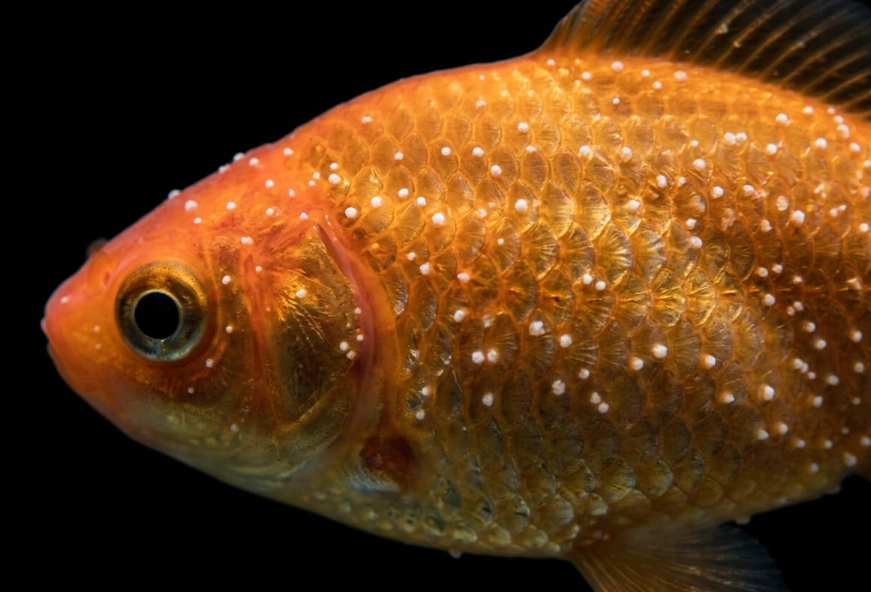
Quick Scan: What's Inside
What Are Common Fish Diseases? (And What Most Guides Get Wrong)
Most articles list ich, fin rot, velvet, and dropsy. They're not wrong. But here's what they miss: eight out of ten "disease outbreaks" I've seen in hobbyists' tanks aren't actually a pathogen problem—they're a water quality problem that finally pushed the fish over the edge.
I'm talking about ammonia spikes from overcleaning a filter. Nitrite creep after adding too many fish at once. Old tank syndrome where nitrates hit 80 ppm and nobody noticed because the test strips were expired.
Before treating any common fish disease, I now do one thing: a 50% water change and a full test of ammonia, nitrite, and nitrate. Half the time, the "disease" clears up within 48 hours because the fish were just stressed by bad water.
7 Common Fish Diseases: Symptoms, Treatment, and My Personal Mistakes
Below is the reference table I keep taped inside my stand cabinet. I've updated it every time I got fooled by a symptom.
| Disease | Key Symptoms | First-Line Treatment | My Personal Mistake |
|---|---|---|---|
| Ich (white spot) | Salt-like white dots, flashing, clamped fins | Raise temp to 86°F + aquarium salt (1 tsp per gallon) | I raised the temp but didn't increase surface agitation—fish suffocated |
| Fin rot | Frayed, black-edged fins, lethargy | Water change + Melafix or API Fin & Body Cure | Treated the fish but ignored the sharp filter intake that kept tearing fins |
| Velvet (gold dust disease) | Fine gold dust on skin, scratching, rapid breathing | Copper-based medication ( Cupramine ) in a quarantine tank | I dosed the main tank and killed my shrimp—copper is lethal to invertebrates |
| Dropsy | Pinecone scales, swollen belly, lethargy | Epsom salt baths (1 tbsp per 5 gallons) + kanamycin | I treated with antibiotics but the fish had organ failure from old age—euthanasia was the right call |
| Swim bladder disease | Floating upside down, sinking, inability to stay level | Fast for 3 days, then feed peeled cooked pea | I fasted the fish but kept the tank at 82°F—higher temp speeds metabolism and made it worse |
| Columnaris | White cottony patches around mouth, saddleback lesions | Kanamycin + nitrofurazone, lower temp to 75°F | I raised the temp thinking it was fungal—columnaris thrives in warmth |
| Gill flukes | Flashing, gills moving fast, yawning | Praziquantel (PraziPro) according to label | I treated once and stopped—flukes have a 4-week life cycle, I needed a second dose at week 3 |
My 6 Costly Mistakes, Briefly
For the record, here's what I did wrong so you don't repeat it:
- Mistake #1: Treated the fish, ignored the filter intake that kept shredding fins.
- Mistake #2: Raised temperature for ich without adding an air stone—oxygen dropped and fish gasped.
- Mistake #3: Used copper in a tank with shrimp. Lost all the shrimp overnight.
- Mistake #4: Confused columnaris (bacterial) with fungus and raised temperature instead of lowering it.
- Mistake #5: Stopped gill fluke treatment after one dose—flukes came back stronger.
- Mistake #6: Trusted old test strips. A $5 liquid ammonia test kit saved my whole tank.
How to Spot Fish Disease Symptoms Before It's Too Late
Fish don't show symptoms until they're already sick. That's the hard truth. But there are subtle signs I've learned to watch for during my morning coffee check:
- Gill movement: Normal is 60–80 beats per minute for most tropical fish. If it's over 100, something's wrong—likely ammonia or low oxygen.
- Feeding response: If one fish hangs back while the others eat, that's my first red flag. I've caught early fin rot and ich this way three times.
- Surface behavior: Gasping at the top isn't always "hungry." It often means nitrite poisoning or chlorine from a recent water change.
- Color shifts: A fish that used to be bright and turns pale—especially in the face—is stressed. Check your heater first.
I keep a cheap notebook next to the tank. Every morning I jot down: who ate, who didn't, any flashing, any unusual spots. Takes 30 seconds. Saved me from a velvet outbreak last winter.
Prevention Beats Treatment: The 3 Habits That Saved My Tanks
I used to think disease prevention meant dosing medication every month. Wrong. That's how you build resistant bacteria. Here's what actually works, based on a decade of trial and error:
Habit 1: Quarantine every new fish for 4 weeks. Not 2. Not 3. Four weeks minimum for ich and velvet to show themselves. I use a 10-gallon bare-bottom tank with a sponge filter and a cheap LED light. Cost me $40 total. Saved me $400 in lost fish.
Habit 2: Test ammonia and nitrite every other day after any change. New filter? New fish? Different food? Test. I use the API Freshwater Master Test Kit. Not the strips—they lie. The liquid kit is the only one I trust.
Habit 3: Feed less than you think you should. Most common fish diseases in my tanks started with overfeeding—uneaten food rotted, ammonia spiked, fish got stressed, then ich or columnaris moved in. Now I feed once a day, and I skip one day a week. Fish are healthier than ever.
Here's a non-consensus take: I don't use aquarium salt as a preventative. A lot of old-school guides tell you to add salt year-round. In my experience, that masks symptoms rather than preventing disease—and it kills plants and snails. Save salt for treatment, not prevention.
FAQ: Real Questions from Fish Keepers
I've made every mistake in this article. The fin rot that kept coming back because of a sharp filter intake. The velvet outbreak from skipping quarantine. The copper dose that killed my shrimp. Each one taught me something. If you take one thing away: test your water before treating your fish. That alone prevents most common fish diseases from ever getting a foothold.
Fact-checked against the API Freshwater Master Test Kit guidelines and the Merck Veterinary Manual's aquaculture section.
Comments