Jump to what you need
I still remember my first freshwater aquarium setup. I filled a 10-gallon tank with tap water, added some gravel, dropped in six neon tetras the same afternoon. By morning, three were floating. The water looked like milk. I had no idea what a nitrogen cycle was. That was fifteen years ago. I've set up over forty tanks since—some for friends, a few for local classrooms, and my own living room display that's been running for eight years straight. Here's what I wish someone had told me before I wasted money and fish.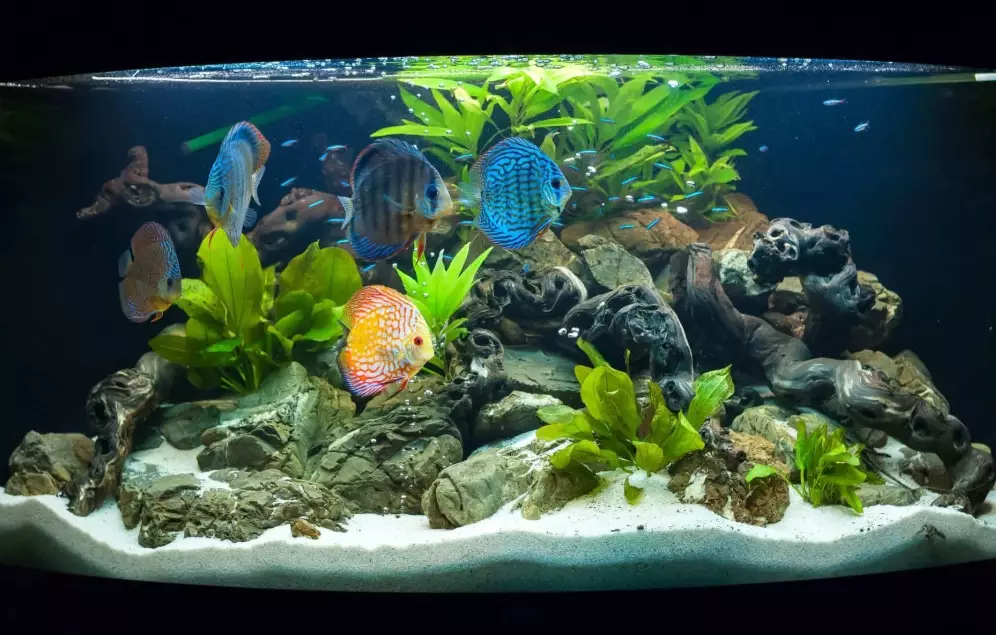
What Is a Freshwater Aquarium Setup, Really?
A freshwater aquarium setup isn't just buying a glass box and filling it with water. It's building a living system. The tank, filter, heater, lights, and substrate all work together to support a colony of beneficial bacteria that convert fish waste into safer compounds. Skip that step—or rush it—and you'll fight cloudy water, sick fish, and that sinking feeling of watching your investment die.
Most guides gloss over the real bottleneck: the first four weeks. That's when your tank is a biological blank slate. I'll walk you through the gear, the exact setup order, and the cycling process that keeps fish alive.
Step-by-Step Freshwater Aquarium Setup (No Fluff)
Here's the exact sequence I use. No skipping.
1. Pick the Right Spot and Tank Size
Put the tank where you can see it every day—but away from direct sunlight. A window-facing tank grows algae faster than you can scrape it. I learned that the hard way with a 20-gallon long in my old apartment; the green glass became a weekend chore.
For beginners, a 20-gallon high tank is the sweet spot. Smaller tanks (5–10 gallons) swing in temperature and water chemistry fast. Bigger tanks (40+ gallons) dilute mistakes. A 20-gallon gives you room for a small community but won't overwhelm you with water changes.
2. Rinse Everything (Except the Filter Media)
Rinse gravel, decorations, and the tank itself with warm tap water. No soap. No bleach. Soap residue kills fish. I use a dedicated bucket that never touches household cleaners. Skip rinsing the filter cartridge—you want the dust that comes with it? Actually, rinse the mechanical sponge, but leave the biological media alone. That's where bacteria live.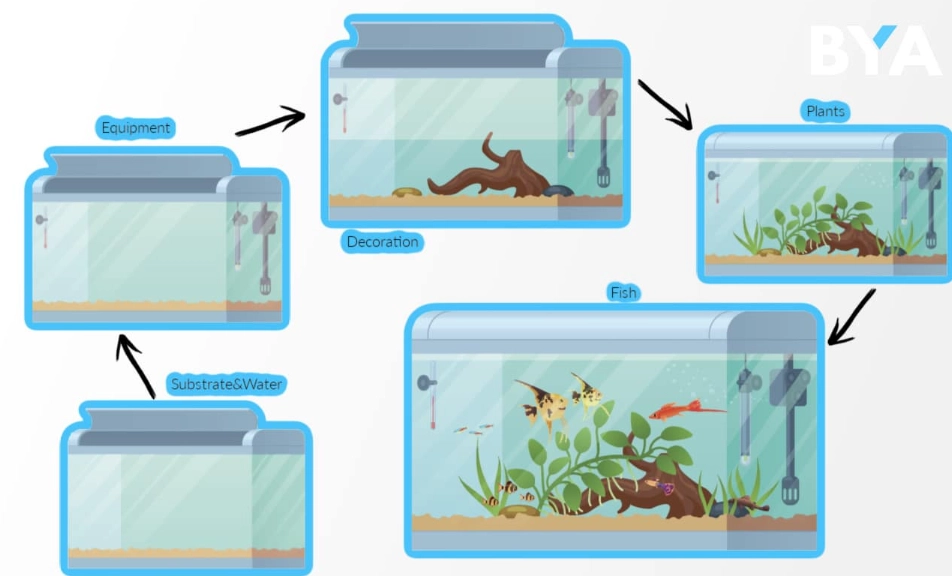
3. Add Substrate and Decor
Gravel or sand? Sand looks cleaner but traps less debris. Gravel is easier to vacuum. I use pool filter sand in my planted tanks and smooth gravel in bare-bottom quarantine tanks. Add driftwood or rocks—but check they're aquarium-safe. A quick vinegar test: if it fizzes, it's limestone and will raise pH. Avoid it unless you keep African cichlids.
4. Fill and Dechlorinate
Fill the tank about two-thirds full. Use a dechlorinator (Seachem Prime is my go-to) because chlorine kills bacteria and fish. I've seen tap water with chloramine—Prime handles that too. Let the tank run with the filter and heater for 24 hours before adding anything living. This stabilizes temperature and lets you check for leaks.
5. Cycle the Tank Before You Add Fish
This is where most beginners fail. Cycling means growing beneficial bacteria that convert ammonia (fish waste) to nitrite, then to nitrate. It takes 4–6 weeks. You can speed it up with a bottled bacteria product (I've had good results with Tetra SafeStart Plus), but don't trust the label that says "instant cycle." It's not instant. Test daily with a liquid test kit—API Freshwater Master Test Kit is the standard. Wait until ammonia and nitrite read zero and nitrate is present. Then add fish slowly.
What most guides won't tell you: Many bottled bacteria products are dead on arrival. I once tested three brands side by side. Only one shortened my cycle by a week. The rest did nothing. If you can get a cup of gravel or filter squeezings from a healthy established tank, that's the fastest, free way to seed bacteria. Just make sure the source tank has no diseases.
Gear That Actually Matters (And What to Skip)
You don't need every gadget. Here's what I've found essential after setting up dozens of tanks.
| Gear | What I Recommend | Why It Matters |
|---|---|---|
| Filter | AquaClear 20 hang-on-back | Adjustable flow, easy to clean, won't break the bank |
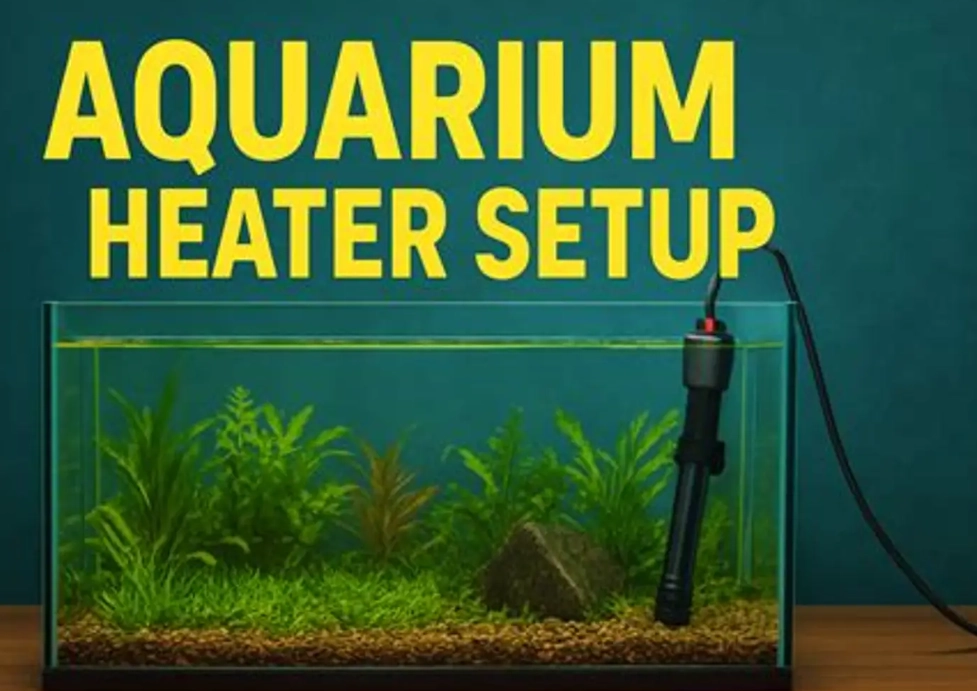
| Heater | Eheim Jager 50W (for 20-gallon) | Reliable thermostat; cheap heaters cook fish |
| Test Kit | API Freshwater Master Test Kit | Liquid tests beat strips for accuracy—strips gave me false readings twice |
| Dechlorinator | Seachem Prime | Detoxifies ammonia temporarily; a lifesaver in emergencies |
| Light | Finnex Stingray (if you keep live plants) | Basic LEDs grow low-light plants like java fern; skip fancy programmable lights until you know your plants |
Don't waste money on: aquarium salt (unless treating illness), pH adjusters (stable pH is better than perfect pH), and those little plastic plants that look like toys. They scratch fish. Use silk or live plants instead.
How to Cycle Your Tank Without Killing Fish
Cycling is the make-or-break step. Here's the version I wish I'd followed at the start.
The Fishless Cycle Method
Add a pinch of fish food or a few drops of pure ammonia (dr Tim's Ammonium Chloride is popular) to feed bacteria. Test daily. You'll see ammonia spike, then nitrite spike, then both drop to zero while nitrate rises. That's your signal. Change 50% of the water to lower nitrate, then add your first fish—three or four small hardy ones like zebra danios. Wait two weeks, then add more.
The "I Already Bought Fish" Emergency Plan
If you've already added fish to an uncycled tank, don't panic. Do a 30% water change every other day for two weeks. Use a double dose of Seachem Prime to detoxify ammonia. Feed sparingly—once every two days. I've saved tanks this way. But it's stressful. Better to cycle first.
A non-consensus tip: Many experts say you can't cycle a tank with fish food alone. Wrong. I've cycled three tanks using just a pinch of flake food daily. It takes a week longer, but it works. The trick is to keep the food small—too much rots and fouls the water. A tiny pinch the size of a grain of rice is enough for a 20-gallon.
5 Mistakes I See Every Beginner Make
- Overstocking. The "one inch of fish per gallon" rule is outdated and dangerous. A 10-inch pleco in a 10-gallon tank is cruel. Check adult size, not baby size.
- Overfeeding. Fish don't need three meals a day. Once a day, what they eat in two minutes. Uneaten food decays and spikes ammonia.
- Changing filter media. Don't replace the filter cartridge every month—that throws away your bacteria. Rinse it in tank water during water changes instead.
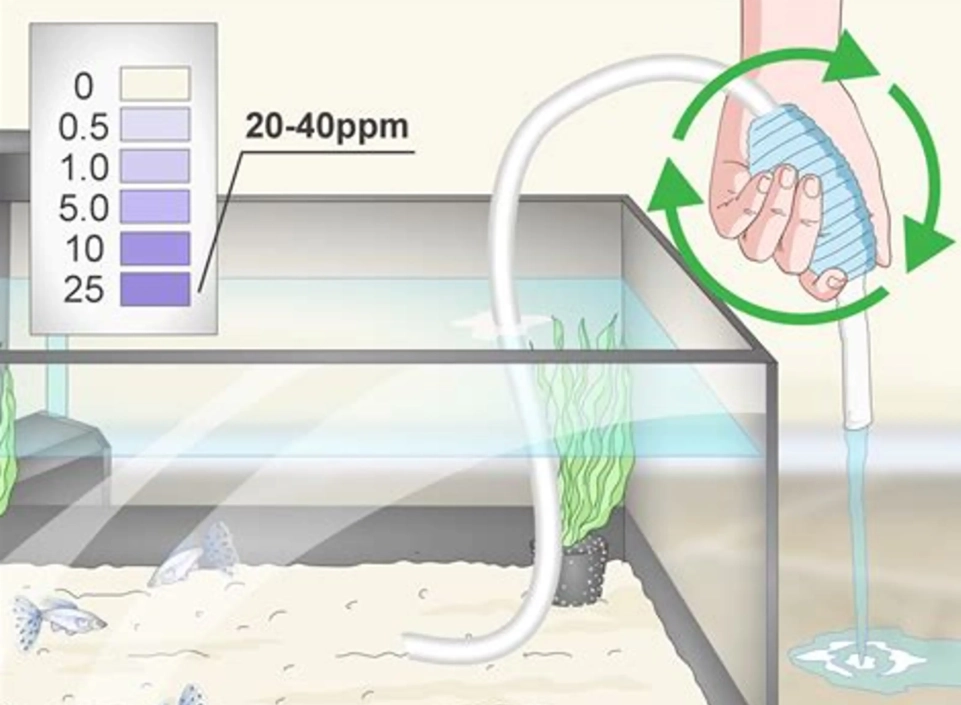
- Skipping water changes. Even with a good filter, nitrate builds up. Change 25% every two weeks. I use a Python siphon—saves my back and time.
- Trusting test strips. They're convenient but inaccurate. Liquid test kits cost more upfront but last a year and give real numbers.
Real Questions From Real Beginners
My tank water is cloudy white. Should I panic?
Don't panic, but don't ignore it. Cloudy white water usually means a bacterial bloom—harmless but ugly. It happens in new tanks or after overfeeding. Stop feeding for two days, do a 20% water change, and wait. It clears on its own. If the water turns green, that's algae—cut your light to six hours a day and add floating plants like frogbit to outcompete the algae.
How often should I test water during cycling?
Daily. I test at the same time each day, usually after work. Write the numbers down—you'll see the pattern. Ammonia drops, nitrite spikes, then both fall. If you test every three days, you might miss the nitrite spike and think you're done early. Trust me, you're not.
Can I use tap water for a freshwater aquarium setup?
Yes, but you must dechlorinate. Most municipal tap water contains chlorine or chloramine. Seachem Prime handles both. If your water is very hard (above 15 dGH), you might need to mix with RO water for sensitive fish like discus. But for beginners with hardy fish, tap water is fine. Just test your tap pH once—it'll tell you what fish to keep.
What's the cheapest way to start?
Buy a 20-gallon kit—but skip the included filter and heater if they're low quality. A basic tank, sponge filter (cheap and safe for fry), 50W heater, and a liquid test kit. Total cost around $120 if you shop smart. Don't buy a 5-gallon tank just because it's cheaper; you'll upgrade in three months and waste money.
Setting up a freshwater tank isn't hard once you know the real steps. The first month is the hardest. After that, it's water changes and watching fish. I still get excited when a new tank clears and the fish settle in. You will too. This article was fact-checked against the API test kit manual and Seachem product guidelines before publishing.
Comments