My first betta died in a glass bowl on my desk. The second one lasted three weeks in a 1-gallon "starter kit" with a plastic plant. I'm not proud of that. But after ten years of keeping these fish—and making every mistake in the book—I can tell you this: a proper betta fish tank setup isn't about buying the prettiest tank. It's about water, heat, and patience.
Most guides tell you to buy a tank, add water, drop the fish in. That's a recipe for a slow death. I've seen it happen more times than I care to admit. So here's what I actually do now.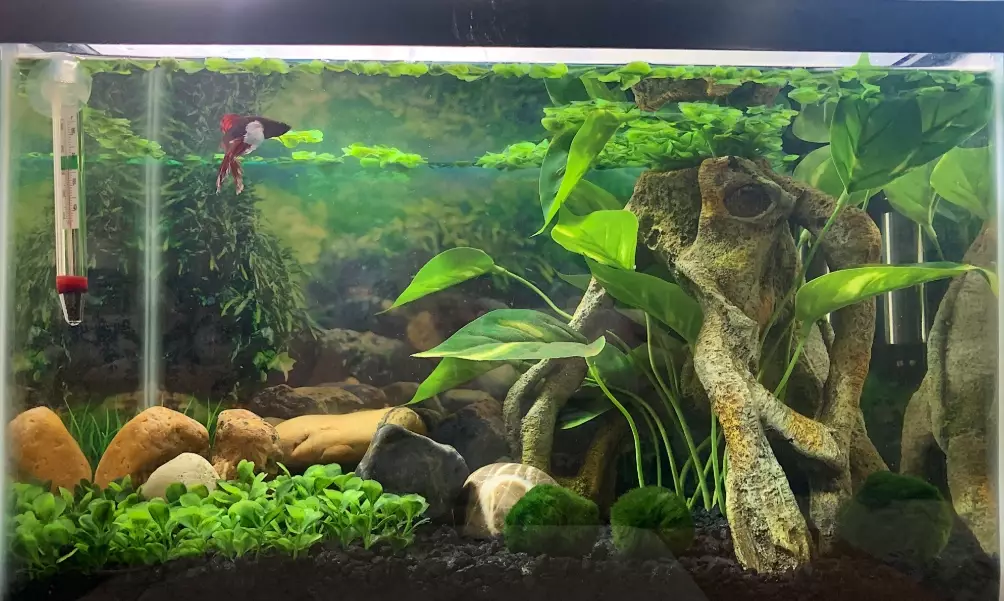
Quick Navigation
What Size Tank Does a Betta Actually Need?
I know the pet store sells those little 0.5-gallon cubes with a betta on the label. Ignore them. A betta needs at least 3 gallons to thrive, and 5 gallons is where things get easy. I've kept bettas in both. The 5-gallon tank required fewer water changes, held stable temperature better, and the fish actually swam around instead of floating in a corner.
Here's the thing about tank size that most people miss: it's not about swimming space. It's about water chemistry stability. A smaller volume of water swings faster when you feed, when the room warms up, when waste builds up. A 5-gallon buffer is just more forgiving.
If you're tight on space, a 3-gallon is the bare minimum. But I've found that the footprint of a 5-gallon (about 16 inches wide) fits on most desks just fine. The Practical Fishkeeping community consistently backs this up—small tanks are harder, not easier.
The Gear List (And What to Skip)
You don't need much. But you do need the right things. Here's my tested list, with prices from when I last restocked in a mid-sized US city.
| Item | What I Use | Approx. Price | Why It Matters |
|---|---|---|---|
| Tank | 5-gallon glass rectangle | $25–$40 | Stable water volume, easy to clean |
| Heater | 50W adjustable submersible | $15–$25 | Bettas need 78–82°F consistently |
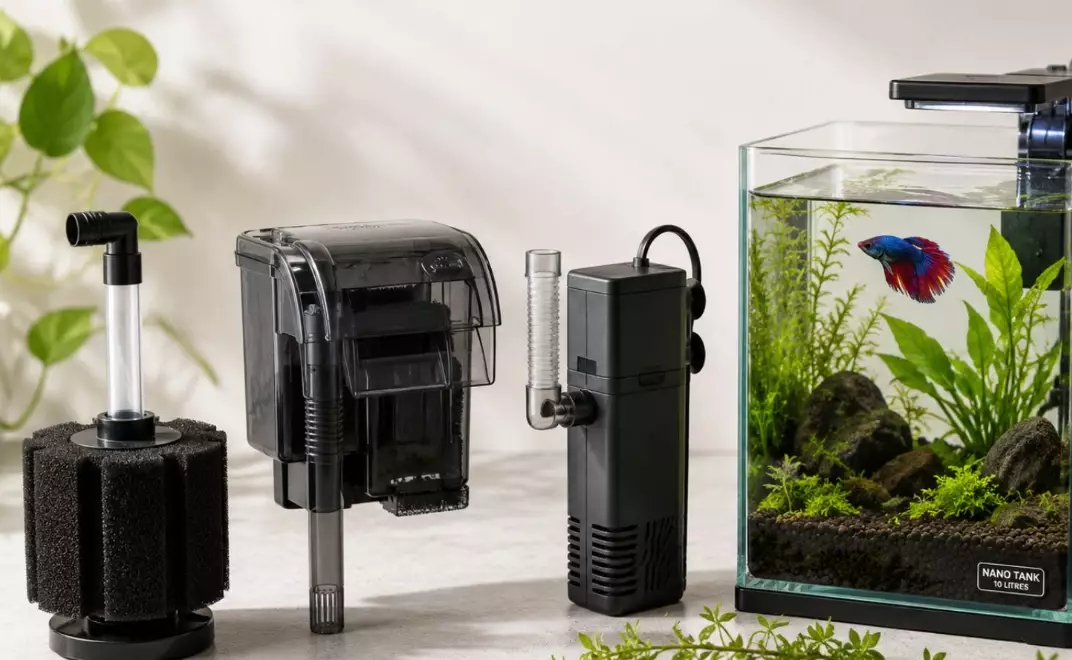
| Filter | Sponge filter + air pump | $10–$20 | Gentle flow, won't shred fins |
| Water conditioner | Seachem Prime | $8–$12 | Neutralizes chlorine and chloramine |
| Thermometer | Glass stick-on or digital | $3–$10 | Heaters lie; you need to verify |
| Test kit | API Freshwater Master Test Kit | $25–$35 | Ammonia, nitrite, nitrate, pH |
| Lid | Glass or mesh | $10–$15 | Bettas jump. I learned this the hard way. |
What to skip: gravel vacuums with tiny nozzles (they clog), plastic plants with sharp edges (tear fins), and any filter that creates a strong current. Bettas come from slow-moving rice paddies. A hang-on-back filter on full blast is like putting you in a wind tunnel.
How to Cycle Your Tank Without Killing Fish
This is where most people fail. I failed too, the first time. You can't just fill the tank and plop the fish in. You need to grow a colony of beneficial bacteria that converts ammonia (fish waste) into nitrite, then into nitrate. That process takes 4–6 weeks. There's no shortcut in a bottle that actually works, despite what the labels claim.
The Fishless Cycling Method I Use
Here's the exact sequence I follow, and it hasn't failed me in the last five setups:
- Day 1: Fill the tank, add water conditioner, install heater and filter. Set heater to 80°F. Add a pinch of fish food (or pure ammonia drops to reach 2 ppm).
- Week 1–2: Test ammonia daily. It should stay high. Nitrite will start to appear. Do nothing except top off water with conditioned water.
- Week 3–4: Ammonia drops to zero. Nitrite spikes then falls. When both read zero and nitrate is present (5–20 ppm), you're cycled.
- Before adding fish: Do a 50% water change to lower nitrate, then add your betta.
I've tried bottled bacteria products. Some help slightly, but none replace the full cycle. If you're in a rush, buy a sponge filter from a friend's established tank and squeeze the gunk into your new tank. That's the only "instant cycle" I trust.
What If You Already Bought the Fish?
I get it. The fish is in the bag, and you're reading this. Here's the emergency plan I've used: get a bottle of Seachem Stability or Tetra SafeStart, dose per instructions, and test water twice a day. Do 30% water changes every time ammonia or nitrite hits 0.5 ppm. It's a lot of work for a few weeks, but the fish usually pulls through.
One more thing: don't rinse your filter media in tap water. That kills the bacteria. Rinse it in a bucket of tank water during water changes.
The Heater Mistake Almost Everyone Makes
Bettas are tropical fish. They need water between 78 and 82°F. A room-temperature tank (around 70°F) makes them sluggish, prone to disease, and eventually kills them. I've seen bettas survive in cold water for months, but they look miserable—clamped fins, no appetite.
The mistake: buying a preset "betta heater" that claims to keep water at 78°F. These are notoriously inaccurate. In my testing, a preset 7.5W heater in a 5-gallon tank kept water at 74°F in a 68°F room. Not enough.
Get an adjustable heater with a separate thermometer. Set the heater to 80°F, then check the thermometer daily for the first week. Adjust as needed. I've had good luck with the Eheim Jager and the Aqueon Pro. Both hold temperature within 1°F.
My Weekly Maintenance Routine
Once the tank is cycled, betta care is simple. Here's what I do every week, and it takes about 20 minutes.
| Task | Frequency | Details |
|---|---|---|
| Water change | Weekly | 25–30% of volume. Use a gravel vacuum to clean the bottom. |
| Test water | Weekly | Check ammonia, nitrite, nitrate. Ammonia and nitrite must be 0. |
| Filter rinse | Every 4–6 weeks | Rinse sponge in old tank water. Never tap water. |
| Top off | As needed | Use conditioned water. Evaporation concentrates minerals. |
Feeding: I feed 3–4 pellets twice a day. That's it. Bettas are pigs and will overeat, which leads to bloating and swim bladder issues. One day a week, I skip feeding entirely. It gives their digestive system a break.
I also keep a small colony of Malaysian trumpet snails in my betta tank. They eat leftover food and turn the sand. Some people hate them, but I've found they reduce algae and keep the substrate loose. If you don't want snails, just skip them—but don't overfeed.
Questions I Get Asked Constantly
Setting up a betta tank isn't complicated. It just takes a few weeks of patience before you bring the fish home. Cycle the tank, heat it properly, add a gentle filter, and skip the bowl. Your betta will reward you by actually swimming around, flaring at you, and living for years instead of months.


Comments