Quick Jump: What’s Inside
I’ve kept tropical tanks for over a decade, and I’ve learned one thing the hard way: the “best” food isn’t a brand—it’s a system. You can buy the fanciest pellet on the market but still end up with bloated fish and cloudy water if you ignore the basics. In this guide, I’ll share exactly what I feed my fish, why some popular foods are overrated, and how to avoid the subtle mistakes that even seasoned hobbyists make.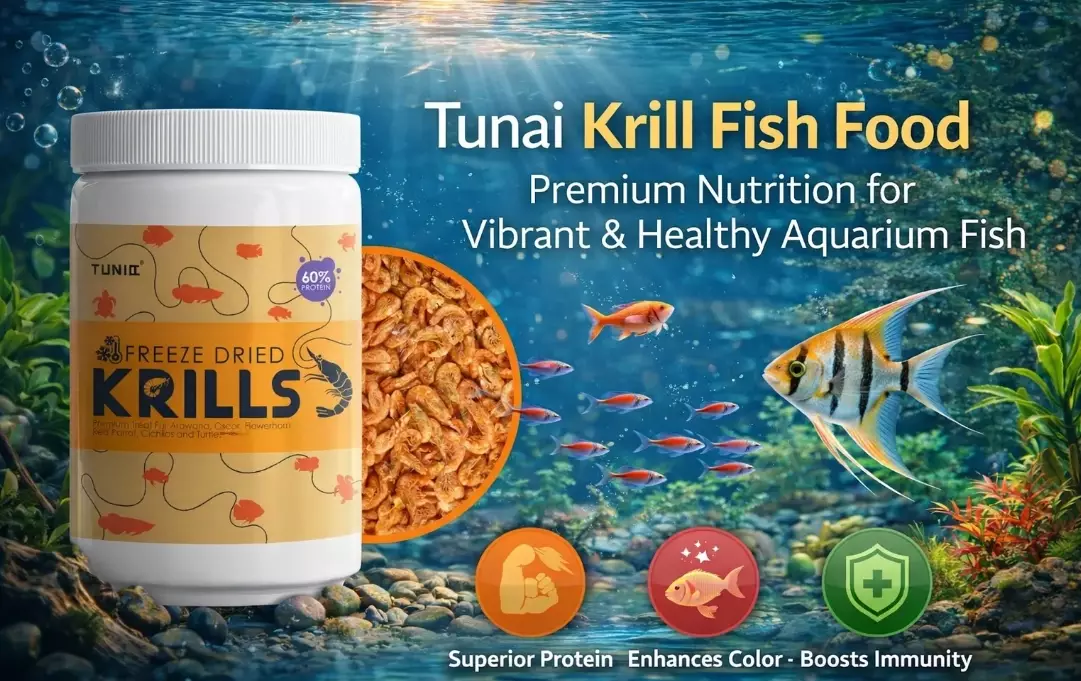
The Short Answer (Skip the Fluff)
If you want the best food for tropical fish without reading a novel: a high-quality micro-pellet (slow-sinking) paired with occasional live or frozen food covers 90% of community species. Flakes are convenient, but they’re often the worst choice for water quality and nutrition. I use a rotation, not a single product.
Here’s my current staple rotation—each has a specific job, and I’ll explain why in the rankings below:
- New Life Spectrum Thera+A (1mm pellets) – my go-to for small tetras, rasboras, and livebearers. It sinks slowly, and fish don’t gulp air.
- Hikari Micro Pellets – slightly cheaper alternative, good for mid-water feeders.
- Frozen bloodworms (Hikari brand only) – once a week as a treat for bettas and gouramis. I avoid generic brands because parasite risk is higher.
- Repashy Soilent Green (gel food) – for bottom feeders and plecos. It’s messy, but plecos go crazy for it.
What Is the Best Food for Tropical Fish, Really?
Walk into any fish store and you’ll see shelves lined with flakes, pellets, wafers, and freeze-dried cubes. The marketing screams “complete nutrition.” But here’s the thing—most flakes are like cereal for fish. They’re packed with fillers (wheat, soy) and lose water-soluble vitamins within minutes of hitting the surface. I learned this after a batch of neon tetras developed fin rot despite “premium” flakes. Switching to a sinking pellet cleared it up in two weeks.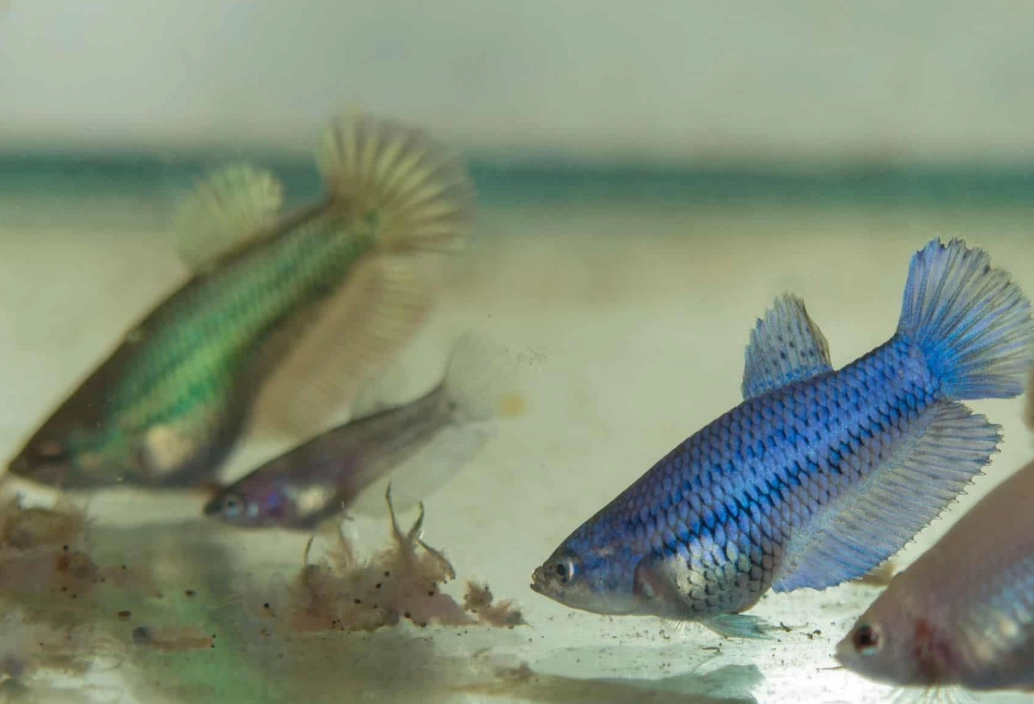
So what defines the best food? Three non-negotiables:
- Species-appropriate size and sinking speed. Surface feeders like hatchetfish need floating food; bottom dwellers like corydoras need wafers. Mid-water fish do best with slow-sinking micro-pellets.
- Protein source first on the ingredient list. Whole fish meal or krill meal should be #1, not corn or wheat.
- Low ash and fiber content. High ash means poor-quality ingredients. I aim for under 9% ash.
My honest take: No single food covers every tropical fish. Even the best pellet will fail if you keep surface feeders and bottom feeders together without offering both floating and sinking options.
My Hands-On Rankings: 4 Categories That Matter
I’ve tested dozens of foods over the years. These rankings are based on what my fish actually ate, how much waste they produced, and water clarity after two weeks of use.
1. Micro-Pellets (Best Overall for Community Tanks)
Top pick: New Life Spectrum Thera+A (1mm). It’s not cheap—around $18 for a 300g jar—but a jar lasts four months in my 40-gallon community. Fish color up noticeably. Downside: The garlic smell is strong. If you’re sensitive to odors, store it in a sealed container.
Runner-up: Hikari Micro Pellets. Slightly more affordable (~$12 for 200g), but I find they sink a bit faster and picky eaters sometimes ignore them.
2. Flakes (Worst for Water Quality, But Convenient)
I only use flakes when I’m traveling and someone else is feeding my fish. Almost all brands (even pricier ones like Tetra Min) break down quickly and foul the filter. If you must use flakes, crumble them between your fingers and tap a tiny amount—never dump a pinch directly from the container. That’s a guaranteed way to overfeed.
3. Frozen and Live Foods (Best for Picky Eaters and Breeding)
Frozen bloodworms and brine shrimp are excellent for triggering feeding responses in finicky fish. I use Hikari frozen bloodworms because they’re irradiated (parasite-free). Avoid live tubifex worms—they’re notorious for carrying pathogens. For breeding projects, live baby brine shrimp are unbeatable, but they’re a hassle to hatch. Only feed frozen once or twice a week; otherwise fish start refusing pellets and you end up with nutritional gaps.
4. Gel Foods (Messy But Ideal for Bottom Feeders)
Repashy Soilent Green is my secret weapon for plecos and loaches. You mix it with hot water, let it set, and slice it. It’s a gel, so it doesn’t dissolve instantly. The catch? It clouds the water for a few hours. My trick: feed it right before a scheduled water change. One batch lasts two weeks in the fridge.
| Food Type | Best For | My Rating (1-10) | Cost (my area) | Water Clouding Risk |
|---|---|---|---|---|
| Micro-pellets (NLS Thera+A) | Tetras, rasboras, livebearers | 9 | $18 / 300g | Low |
| Flakes (TetraMin) | Emergency use only | 3 | $6 / 100g | High |
| Frozen bloodworms | Bettas, gouramis, breeding fish | 8 | $8 / 100g | Medium |
| Gel food (Repashy) | Plecos, corydoras | 7 | $15 / 75g powder | High (short-term) |
How Much and How Often Should You Feed?
This is where most people go wrong. I’ve seen hobbyists feed three times a day and wonder why nitrates skyrocket. The simple rule: feed only what your fish can finish in 90 seconds. For my 40-gallon community (20 small fish), that’s a tiny pinch of pellets—about the size of a pea. I feed twice a day, but I skip one day a week (usually Wednesday) to let their digestive systems rest. Fasting days are more important than most people realize; they prevent constipation in bettas and reduce waste.
If you’re unsure, use the “two-minute rule” as a starting point. Drop in a few pellets, watch. If they’re gone in one minute, add two more. If they hover unconsumed, stop. It’s better to underfeed than overfeed. Fish can go a week without food—but a single overfeeding can crash your water parameters.
3 Mistakes I See Even Experienced Keepers Make
Mistake #1: Assuming “sinking” means “for bottom feeders.” Sinking pellets come in different sizes. Micro-pellets sink slowly and stay in the water column for tetras. Wafers sink fast and are meant for catfish. Don’t buy large sinking pellets for tiny rasboras—they won’t touch them.
Mistake #2: Using one food forever. Nutritional profiles vary. I rotate between two pellet brands each month. This mimics seasonal variety and fills any minor gaps in vitamins.
Mistake #3: Ignoring expiring dates on frozen food. Frozen bloodworms lose nutritional value after six months. I buy small packs and use them within two months, even if the date says otherwise. Refreezing thawed food is a no-go—pathogens multiply.
Real Questions, Non-Boring Answers
Fact-checked against manufacturer nutrition labels and my own tank logs. No sponsorships, no free samples—just my honest experience over ten years of fishkeeping.

Comments