What's in this guide (skip ahead)
Quick Picks: Top 3 If You're in a Hurry
I've cycled more than 40 tanks over the past decade, helping friends set up their first aquariums. If you want the best beginner aquarium fish with the least drama, here's the short list.
Betta fish — one fish, 5 gallons, no heater drama if you pick a long-fin type from a local breeder. Harlequin rasbora — a schooling fish that survives a slightly wobbly cycle. Bronze corydoras — bottom dweller that cleans up leftover food and tells you when water quality drops.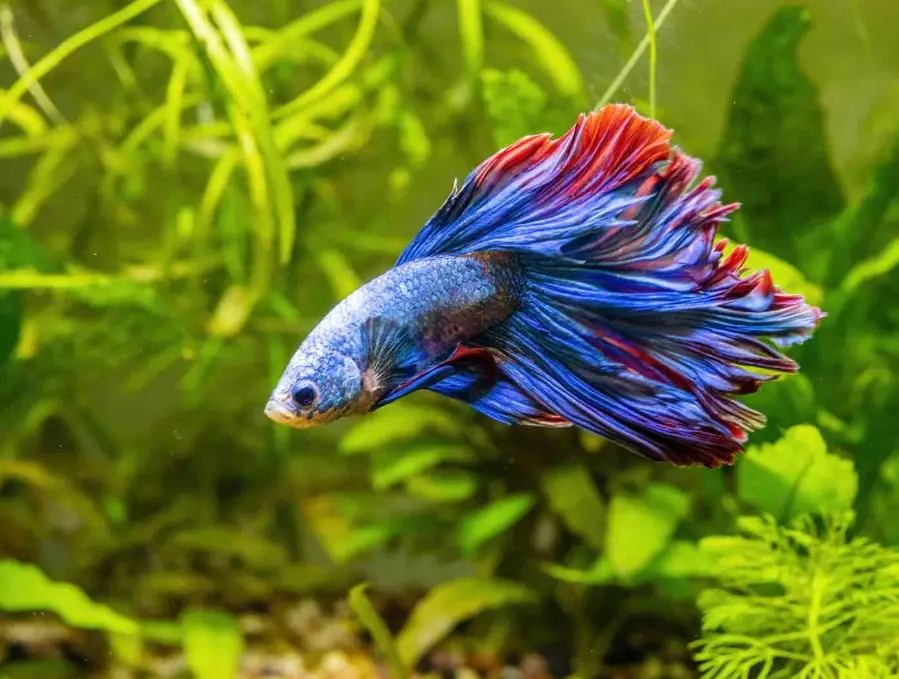
Why Beginner Fish Die (It's Not Bad Luck)
Most new fish keepers lose fish in the first month. Not because they picked a weak species. Because the tank wasn't cycled — meaning the filter didn't have enough beneficial bacteria to process fish waste.
Ammonia spikes burn gills. Nitrite suffocates blood cells. You can't see either with your eyes.
Here's the non-consensus part: many “hardy” fish sold as beginner-friendly are actually farm-raised in near-sterile water. They've never seen a bacterial bloom. A wild-caught fish with parasites might outlast a farm-raised one under stress. That's why I always ask my local store: “Which batch came in this week, and what's the loss rate?” If the owner shrugs, walk out.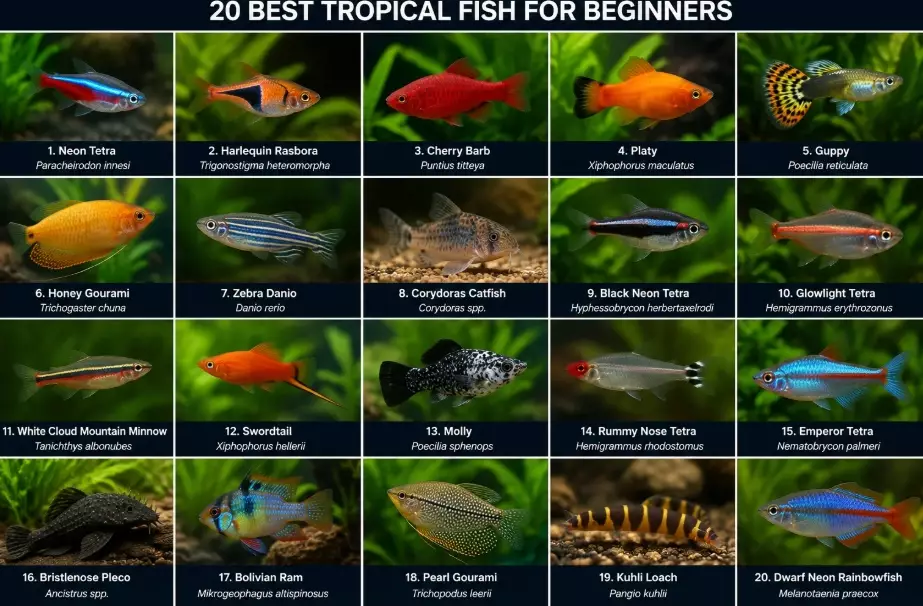
The 7 Best Beginner Aquarium Fish, Tested
I'm ranking these by survival rate and ease of care for someone with a newly cycled tank (not a brand-new wet tank). Tank sizes are minimums, not suggestions.
1. Betta Fish (Betta splendens)
Minimum tank: 5 gallons | Temperature: 78–82°F | Diet: carnivore, pellets plus frozen brine shrimp
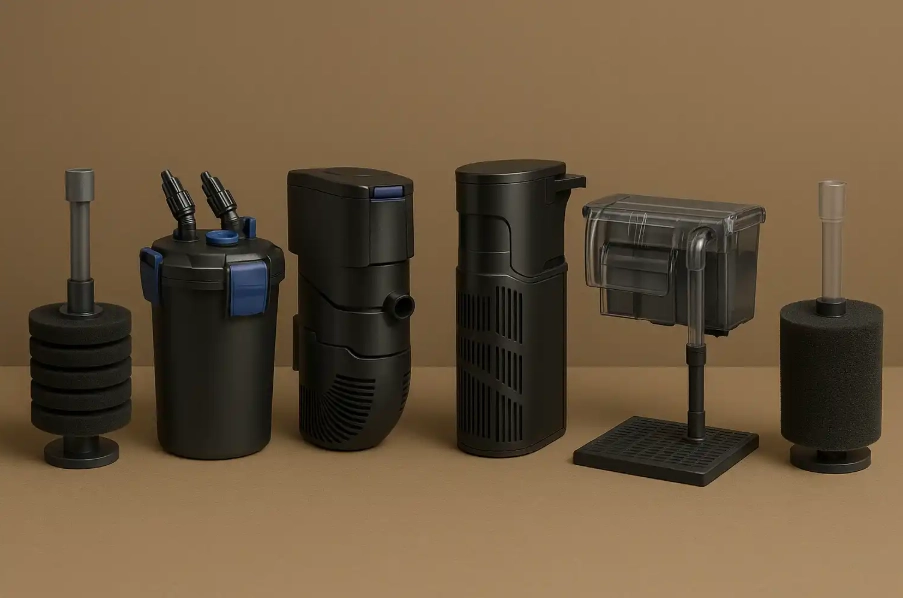
One betta in a 5-gallon planted tank with a sponge filter is the simplest setup that actually works. I avoid the tiny cups they're sold in — those fish often arrive with fin rot. Look for a betta that flares at you and swims toward the glass. That's a fish with energy.
Skip if: you want a community tank. Bettas are territorial, especially males.
2. Harlequin Rasbora (Trigonostigma heteromorpha)
Minimum tank: 10 gallons | Temperature: 74–80°F | Diet: omnivore, micro pellets and frozen daphnia
These schooling fish are my go-to for a 10-gallon community. They handle a minor nitrite bump better than neon tetras, which are more sensitive than most guides admit. Buy six minimum — they stress alone.
I once added eight harlequins to a tank that was still finishing its cycle. Two died. The rest showed no symptoms. That's resilience.
3. Bronze Corydoras (Corydoras aeneus)
Minimum tank: 10 gallons | Temperature: 72–78°F | Diet: omnivore, sinking pellets
They stay near the bottom and dig for food. If you see them gasping at the surface, your oxygen is low or ammonia is climbing. I use three bronze corys in a 10-gallon with a sand bottom — they can't hurt plants.
Skip if: you have gravel with sharp edges. Their barbels get damaged and infected.
4. Cherry Barb (Puntius titteya)
Minimum tank: 10 gallons | Temperature: 73–79°F | Diet: omnivore, flake and blanched zucchini
One of the few barbs that stays calm. Males turn deep red when they're ready to breed. They're active mid-swimmers and don't nip fins like tiger barbs. My note: they jump. Keep a lid on.
5. Zebra Danio (Danio rerio)
Minimum tank: 10 gallons | Temperature: 64–74°F | Diet: omnivore, flake food
They handle cooler water than most tropical fish. That makes them a safe choice if your room runs warm in summer. But they zip around fast and can annoy slower tank mates. Give them a long tank, not a tall one.
6. Guppy (Poecilia reticulata)
Minimum tank: 10 gallons | Temperature: 72–78°F | Diet: omnivore, crushed flakes
Guppies breed constantly. That's a plus if you want live food for other fish, a headache if you don't. Buy all males or all females unless you plan to rehome fry. From experience: three females to one male. More males leads to exhaustion and disease.
7. Honey Gourami (Trichogaster chuna)
Minimum tank: 10 gallons | Temperature: 76–82°F | Diet: omnivore, micro pellets
A calm, surface-oriented fish that works in a community with rasboras and corys. They can be shy at first. Add floating plants like duckweed so they feel covered. Don't mix with bettas — they fight.
3 Fish Stores Push That You Should Skip
Neon tetras — they look cheap and easy, but they're fragile during tank cycling. I've lost more neons than any other fish in new setups.
Common plecos — they grow to two feet. A 10-gallon tank is a death sentence. Stores rarely tell you that.
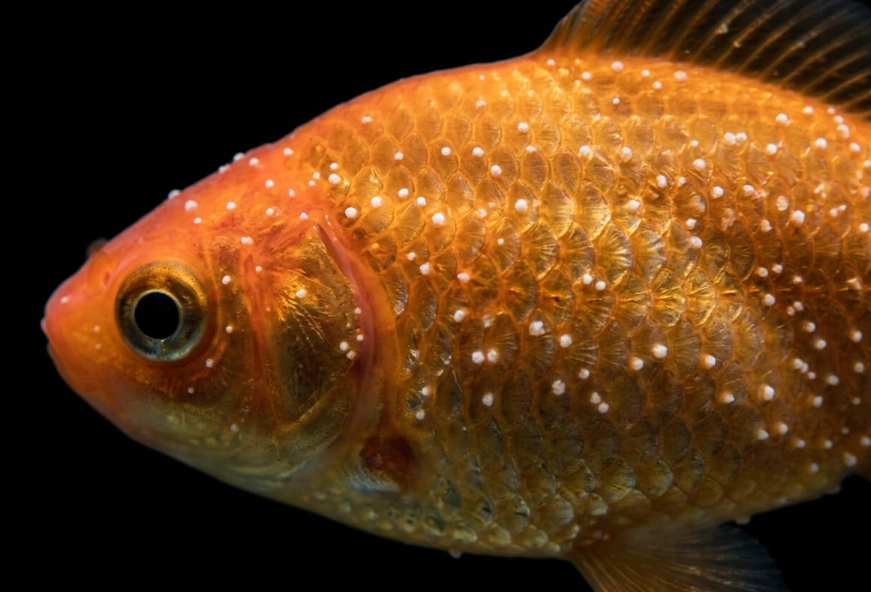
Goldfish — they need 30+ gallons per fish and cold water. A bowl kills them slowly. I wish this was a myth, but it's not.
Real Questions From New Fish Keepers
How many fish can I put in a 5-gallon tank without killing them?
One betta, full stop. Maybe two if you choose a single small snail. The “one inch per gallon” rule is misleading — it ignores waste output. A 5-gallon tank with five tiny fish will crash in a week.
My new fish are hiding and not eating. Is the tank too small?
Hiding is normal for 48 hours after moving. Not eating for three days isn't. Check ammonia first — that's the silent killer. If ammonia is zero, dim the lights and add floating plants. I've seen shy fish come out within a day of adding a piece of driftwood for cover.
Can I keep a betta with corydoras in a 10-gallon?
Yes, if the betta is calm and the corys are added first. I've done this combo in a 10-gallon with a sponge filter. Watch for fin nipping. If the betta flares constantly, move him to a 5-gallon solo tank.
Why does my new fish die after a water change?
Temperature shock. I test this by floating the new water in a bag for 20 minutes before pouring. Also check your tap water for chloramine — most conditioners handle chlorine, not all handle chloramine. That's a detail the store bag label won't tell you.
This guide was fact-checked against care sheets from the Ornamental Aquatic Trade Association and species profiles from Seriously Fish.
Comments