What I'd check first
I walked into a friend's living room last summer and saw her goldfish hanging at the surface like little orange balloons. She'd already added an air stone. Didn't help. The real issue turned out to be a clogged filter intake. That's the thing about fish gasping at the top — it looks like one problem but usually isn't. I've kept tanks for over a decade, and I've made almost every mistake in the book. Here's what actually works.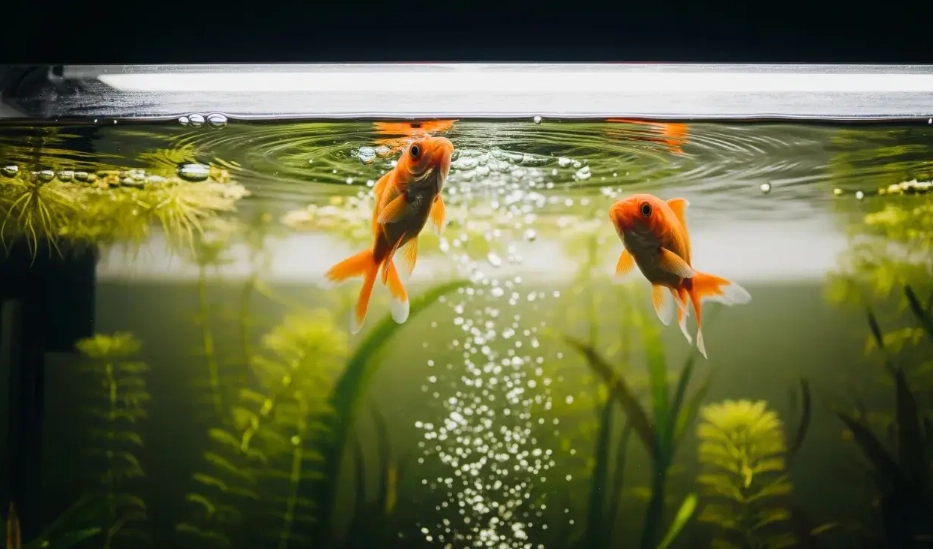
1. Oxygen Deficit (The Most Common Cause)
Fish breathe dissolved oxygen from water, not air. When oxygen drops below 5 mg/L, they head to the surface because that top layer holds slightly more O2. It's a survival reflex. You'll see rapid gill movement, lethargy, and sometimes all the fish clustered in one corner.
What surprises most people: surface agitation matters more than bubble count. An air stone that turns the water into a Jacuzzi looks great but does little for gas exchange. You need ripples. I aim for a gentle boil at the surface. If your filter outflow is below the waterline, angle it upward. That single change fixes more gasping cases than any chemical additive.
- Quick test: Drop a pinch of flake food. If it sinks fast and fish ignore it, oxygen is likely fine. If fish ignore food and stay at the top, test oxygen.
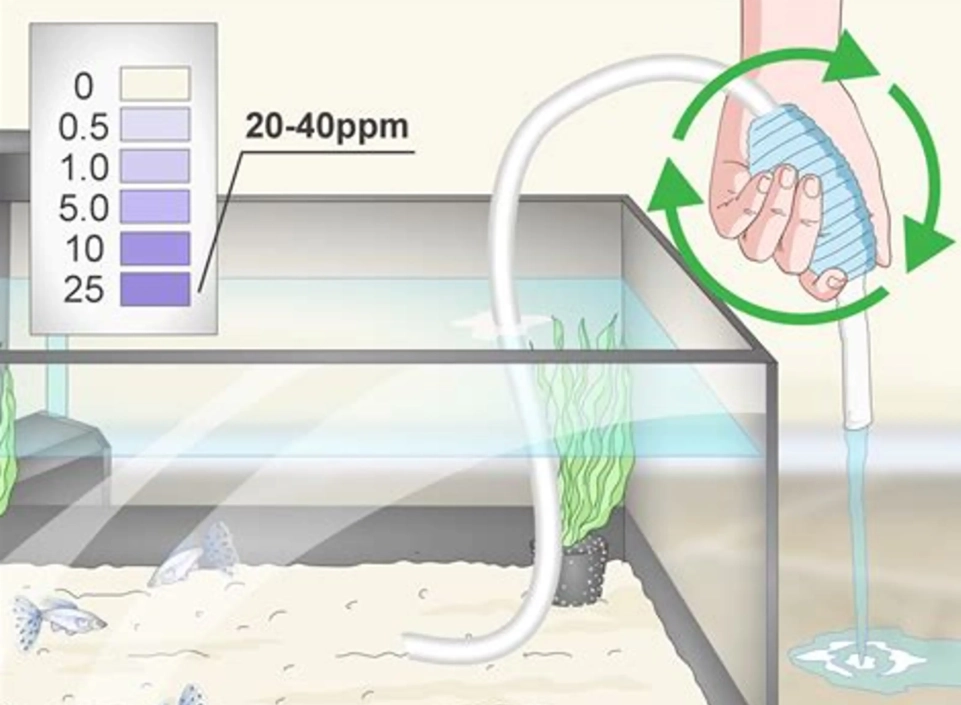
- Immediate fix: Do a 30% water change with a gentle pour from a height of 6 inches. That alone can raise oxygen by 15–20%.
- Long-term: Add a sponge filter or a powerhead pointed at the surface. I run a Fluval 07 series on my 55-gallon, and I keep the spray bar tilted up.
One non-obvious mistake: using a lid with no ventilation holes. Condensation builds up, CO2 rises, oxygen drops. I drilled two 1-inch holes in my glass lid after losing a batch of rummy-nose tetras.
2. Water Quality (Ammonia, Nitrite, or Chlorine)
Ammonia burns gills. Damaged gills can't extract oxygen efficiently, so fish gasp even if oxygen levels are okay. New tank syndrome is the classic culprit. But I've seen the same behavior in a five-year-old tank after a big filter clean — the beneficial bacteria crashed.
Chlorine is another sneaky one. Tap water treated with a conditioner is fine. But if you topped off the tank with tap water and forgot the conditioner? That's a gill irritant, fast. I test with a simple API liquid kit. Strips are too imprecise for ammonia.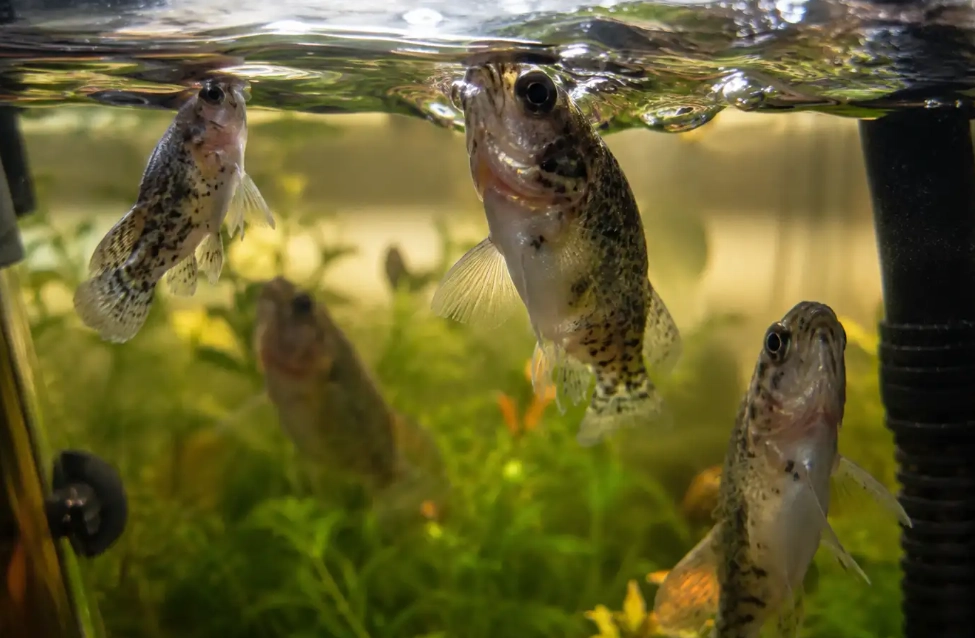
| Parameter | Safe Range | Action if Out of Range |
|---|---|---|
| Ammonia (NH3) | 0 ppm | 50% water change, add Seachem Prime |
| Nitrite (NO2) | 0 ppm | Same as ammonia, plus bacterial booster |
| Nitrate (NO3) | 25% water change weekly | |
| Chlorine | 0 ppm | Add conditioner immediately |
Here's a detail most guides skip: if your tap water uses chloramine (common in many U.S. cities), standard conditioners that only neutralize chlorine won't cut it. You need a product labeled for chloramine. I learned that the hard way after a routine water change wiped out half my rasboras.
3. High Temperature
Warmer water holds less oxygen. At 82°F, water holds about 8 mg/L O2. At 68°F, it's closer to 10 mg/L. So if your heater is stuck on or your room gets afternoon sun, fish gasp. I always place tanks away from windows. Sounds basic. You'd be surprised how many people put a tank right next to a sunny sill.
Check the thermometer at the same time each day for a week. Fluctuations above 3°F stress fish. A reliable heater controller (like an Inkbird) costs less than a single fancy goldfish. Worth it.
4. Equipment Failure (Filters, Pumps, Air Stones)
This is where I see the most missed diagnoses. A canister filter that's running but has a clogged impeller? Water flows, but surface agitation drops. An air pump with a cracked check valve? Bubbles stop. Pull off the intake sponge and rinse it in tank water. I do this every two weeks. It takes two minutes.
Also check for kinked airlines. A cheap plastic T-connector can split and leak air silently. I use a soapy water test on all my air lines once a month — bubbles mean a leak.
5. Disease or Gill Parasites
Flukes and ich can both cause gasping. Look for clamped fins, excess mucus, or white spots. A fish that gasps but has normal gill movement? More likely oxygen or toxins. A fish that gasps with gills flared, rubbing against decorations? Parasites. I keep Prazipro on hand for flukes. It's gentle and effective.
One thing I rarely see mentioned: fish gasping at the top can be a sign of a swim bladder issue if they're also tilting sideways. That's a different problem — usually diet-related for fancy goldfish.
FAQ: Why Is My Fish Gasping at Top?
Fact-checked against sources including the Merck Veterinary Manual and practical experience from 12 years of fishkeeping.

Comments