The Fed's Interest Rate Cut: A Trump Card Against the Surge in Oil Prices
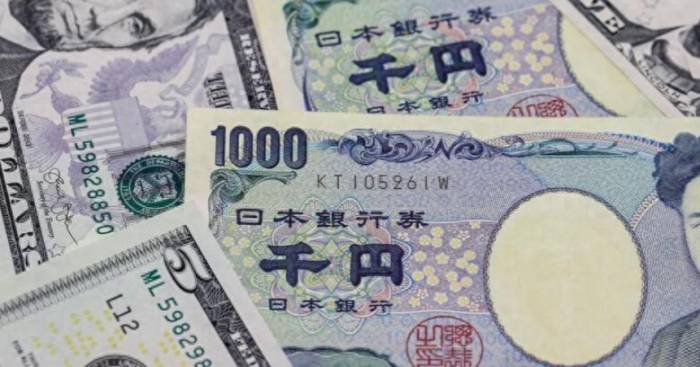
There is currently confusion surrounding the discourse on the Federal Reserve's interest rate cuts. The conditions for a rate cut do not align with objective reality. On the contrary, the risk of a future market reversal that breaks the Fed's rate cut expectations could be a severe rebirth from the ashes. This could lead to a rapid return of market arbitrage funds to the international oil market, increasing the risk of rising international oil prices. The basic laws of the market are merely changes in timing and regulatory strength, but the fundamental rules of significant price fluctuations have not changed. The logic of large rises followed by large falls and vice versa has already been reflected in the yen exchange rate, indicating that the international oil market may perform a yen-style arbitrage trade in the future, leading to a surge in international oil prices. Especially in the current geopolitically concentrated oil-producing regions, if there is a severe disruption in oil supply, the possibility of a sharp increase in oil prices will significantly increase.
On one hand, the刺激性上涨 driven by technology and capacity demand has already laid the foundation for driving the market. The international oil price is not in sync with the international gold price, which may be a deployment of some kind of strategic design, even a move to cooperate with the background and logic of the Fed's rate cut expectations and dollar depreciation strategy. Especially during the cycle when international oil prices are low and hovering, the accumulation of oil prices at the bottom has a significant technical force that cannot be ignored, providing confidence and stimulating momentum for the future international oil price to rush to $100 or higher. Currently, geopolitical risks are concentrated in major oil-producing countries and regions, which is a method and path chosen by oil to create a low price. First, the technical cycle of the oil market has determined the inevitability of future price increases. The technical logic of the market's ups and downs has not changed; it's just that the timing of fermentation between ups and downs is different due to different times, events, or exceptional situations. The yen's extreme depreciation before and its rapid appreciation now may be a reflection and precaution against the technical reversal and upward surge of oil arbitrage. Second, the destructiveness of oil capacity concentrated in geopolitical turmoil suppresses oil supply. This leads to oil production reduction as a last resort, but at the same time, oil demand, although on the road (with strong risk shielding of shipping), is subject to more constraints. However, the average oil price has already surpassed the production base (usually $30-60 is no longer enough for profit demands and revenue base), which will be a potential and supportive factor for future oil price increases. Especially Ukraine's attack on Russia's oil production base makes the reality of oil supply and demand more apparent, but the congestion and impact pressure of shipping have covered up the authenticity of oil demand. The stable growth of the world economy is an important sign of the normalization of oil demand levels, but it is also reasonable and objective to use insufficient oil demand as a reason to suppress oil prices. In addition, the competition of major currencies has a benchmark quotation response theme, and the low oil price may be part of the background and design scheme, but in fact, accumulating oil price increases or even surges is the true intention and purpose of international currency competition. During this period, U.S. oil production has remained stable and has plans for production increases, but the low oil price just happens to conform to the long-term operation of increasing the U.S. oil reserve position, and the current low price is a preparatory strategy for the U.S. oil reserve to play a role when prices are high in the future. Maximizing U.S. interests and minimizing losses are the clever planning of the United States that cannot be ignored in the arrangement and layout of international oil prices, and it is also a strategic response of the dollar that comes easily, goes with the flow, and plans far ahead.
On the other hand, the dollar trend and the Fed's policy against demand determine the space for oil function. There is a potential trump card in the relationship between international oil prices and U.S. inflation, which is that the Fed's rate cut stimulates the dollar's depreciation, and the dollar's depreciation should be inversely related to oil prices and rise, but the international gold price has replaced the application of oil logic, strengthening the gold surge, which makes the reasons behind the low oil price have more cooperative factors and design combination intentions. When the dollar's depreciation is in place in the future, the surge in international oil may be opened. If U.S. inflation rebounds and the Fed's rate cut expectations are shattered, the arrival of the Fed's rate hike will become a major event of financial market reversal risk that catches the market off guard. The United States has made乌龙手法 speculation about the future an important part of today's U.S. macro management personality, such as the乌龙 of small and medium-sized bank turmoil, the乌龙 of credit rating downgrades, and the乌龙 of U.S. economic recession are all phased issues, not hurting the United States' structure and mechanism. And now the Fed's rate cut may be a bigger乌龙, and emotional guidance expectations are not the Fed's real choice for the future. The oil market's foreshadowing operation is a key point worth paying attention to, especially in the special era when the dollar has the oil pricing right. The United States takes the initiative to control the pattern through oil, highlighting its position as an oil-exporting country, the advantage of being the least dependent on oil, and the strong combination of oil dollarization and oil financialization, which makes the oil factor no longer limited to industry. As a new tool for dollar currency competition, the role of oil has been significantly expanded and occupies an important position. As the dollar's currency opponent—the euro—due to the oil short board issue, the eurozone's inflation has intensified, and the ECB's rapid rate cut has become one of the means for the dollar to contain the euro, and has led to the decline of the euro's international foreign exchange reserve status, which is now less than the proportion of gold reserves. This is the result of the dollar's layout effect and planning. As a trade opponent—China, China's export position is the focus of U.S. containment, and the future threat lies in the decline of China's trade position. It is possible for the United States to seize China's position as the world's largest exporter. The contrast between low oil prices and high precious metal prices is precisely the dollar pricing system's suppression of China's new energy development momentum's benchmark manipulation, and the increase in new energy costs is one of its strategies. Especially for China's economic reality of low oil prices and inflation and deflation intertwined, this is the passive pain point of the yuan and also poses an imminent domestic risk and demand confusion situation for China's export position. Looking at the current situation, the dollar leads the market in all directions and cleverly cooperates with dollar financial strategies, thereby showing the United States' new economy and new financial benchmark pattern planning, and the oil layout strategy as a dollar chip is worth being vigilant. The possibility of oil price reversals or even surges cannot be ignored.
Oil decline and Fed rate cuts are mainly complementary, and dollar depreciation will provide opportunities for oil price increases. Deepening dollar depreciation will stimulate oil surges, leading to a rebound in U.S. inflation, and ultimately reversing the Fed's rate cut expectations. The Fed's rate hike remains the long-term planning choice for maintaining dollar hegemony. The Fed will not easily cut rates to avoid disrupting the U.S. strategic rhythm and pattern deployment, which will be the core issue under consideration at present.
Related Articles


























Leave a Comment