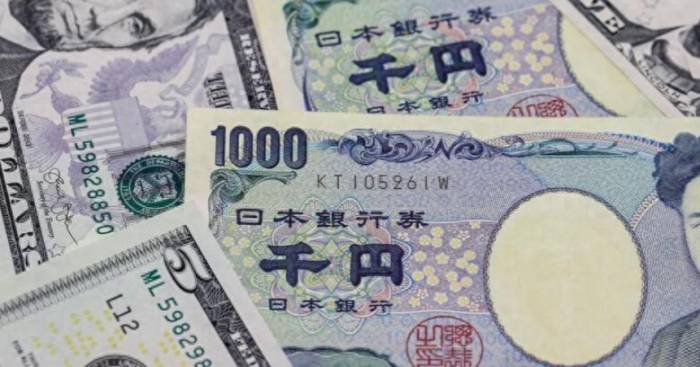
The risk of intervention has once again become a focal point for investors as they brace for the Japanese yen to fall back to 150 yen or even higher against the US dollar. After two consecutive weeks of decline, the yen fell to 149.98 yen on Monday. In the five days ending October 4th, the currency experienced its largest drop since 2009. The prospect of further yen depreciation has prompted strategists to warn of increased intervention risks near 150 yen, close to the 200-day moving average of 151.25 yen.
Recent warnings from Japanese officials imply that the market currently believes the narrowing of the US-Japan interest rate differential will not be as rapid as previously anticipated. Japan's new Prime Minister, Shigeru Ishiba, hinted that Japan is not yet ready to raise interest rates, while strong data from the United States is prompting traders to reduce bets on US monetary easing. Federal Reserve Governor Christopher Waller stated on Monday that the Fed should be cautious about lowering interest rates.
Takuya Kanda, the head of research at Tokyo's Gaitame.com Research Institute, said, "The key is whether the yen will exceed 152 yen." He noted that this marks a critical level for the yen, as the last time the yen broke through this level, it quickly fell towards 160 yen.
In July of this year, when the yen hit a 38-year low against the US dollar, Japan intervened in the market. At the beginning of July, the yen fell to 161.95 yen, then rebounded significantly to 149.98 yen by the end of July.
According to data compiled by Bloomberg, the average of five yen purchases between 2022 and the first half of this year resulted in an appreciation of more than 5 yen.
Atsushi Mimura, Japan's chief currency official, said earlier this month that he is watching the foreign exchange market with a sense of urgency, including the动向 of speculative activities. Japan's new Finance Minister, Katsunobu Kato, also warned that sudden fluctuations in the yen's exchange rate could have negative effects on businesses and households.
However, strategists are divided in their opinions, with some believing that there is a long way to go before authorities decide to re-enter the market.
Eiichiro Miura, head of the strategic investment department at Nissay Asset Management Corp, said, "Intervention will not occur unless the yen falls below 160 yen."
Data from the US Commodity Futures Trading Commission (CFTC) as of October 8th shows that leveraged funds' net long positions in yen fell for the second consecutive week, indicating less optimism about the yen.Even so, Keiichi Iguchi, a senior strategist at Reona Holdings Inc., stated that the Japanese yen could still face selling pressure if expectations for a rate cut in the United States are revised. He said, "If the yen continues to weaken, we need to be cautious about intervening."
Related Articles





























Leave a Comment