Imagine walking up to a pride of lions and taking their dinner—without a rifle, but with sheer confidence. This is daily life for the Maasai.
7. The Lion Hunters — The Maasai
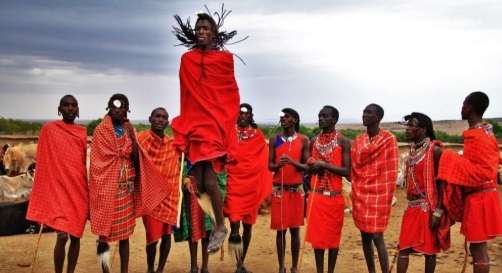
In the vast savannahs of East Africa, the Maasai people walk as kings. Historical footage captures an incredible sight: three Maasai men standing up and walking directly toward a pride of feeding lions. Instead of attacking, the confused lions retreat—allowing the men to claim their prize.

The Maasai don't hunt lions for food, but as a rite of passage and to protect their livestock. Their unique relationship with wildlife demonstrates that in the animal kingdom, sometimes confidence is the deadliest weapon.
But if you think that's impressive, wait until you see what happens 35 meters above the ground...
6. The Treehouse Dwellers — The Korowai
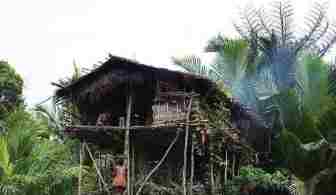
The Korowai people of Papua build their homes in the canopy, higher than most apartment buildings. Using ancient techniques passed through generations, they construct these impressive treehouses in just two weeks, a testament to their incredible skill and teamwork.

What's more astounding? Their honed, primal senses allow them to detect intruders from kilometers away. While some have adopted modern clothing, many Korowai maintain their traditional stone-age lifestyle, living in perfect harmony with the forest that cradles them.
Speaking of incredible survival skills, have you ever seen people who feel more at home in water than on land?
5. The Water Masters — The Bajau Laut
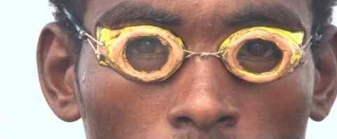
Meet the humans who are more comfortable underwater than on solid ground. The Bajau Laut, often called "sea nomads," can free-dive to 20 meters and hold their breath for over five minutes.
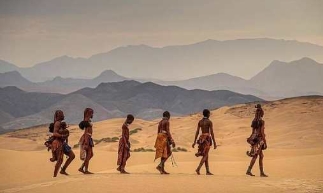
Using handmade wooden goggles and fins, they hunt fish with spears in the deep blue. So accustomed are they to ocean life that many actually experience dizziness when walking on land - the exact opposite of what we call "sea legs."
But not all unique skills involve physical prowess. In some tribes, beauty takes a very different form...
4. The Big Men — The Bodi Tribe
In Ethiopia's Bodi tribe, beauty is measured in pounds. Men compete in an annual "fat contest" where the biggest belly wins. The champion gains not just prestige, but also the admiration of women throughout the tribe.
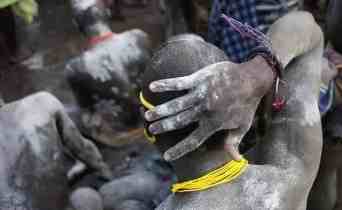
Why this unusual standard? A large stomach signals wealth - it shows a man's family owns many cattle. Young men spend months drinking special milk mixtures to gain weight, proving that standards of beauty vary dramatically across cultures.
Now, let's talk about a tribe where women hold all the power...
3. The Woman's World — The Wodaabe Tribe

In this unique African tribe, women are the choosers. During the famous Gerewol festival, men line up wearing elaborate makeup and costumes, performing exaggerated facial expressions to attract female attention.

The women then select their partners - and they can change husbands if they find someone more appealing. Even the beds are named after women, and men need permission to touch household items.
But physical appearance isn't the only standard of beauty. In some tribes, beauty comes at a much higher cost...
2. The Plated Women — The Mursi Tribe
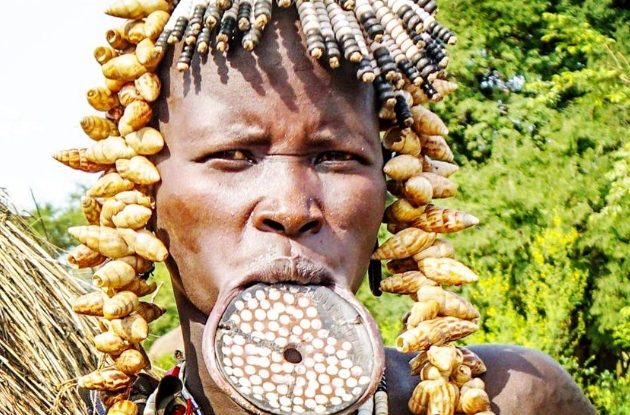
Among the Mursi people of Ethiopia, beauty is measured in plates - lip plates, to be exact. Young girls begin stretching their lips at puberty, with larger plates commanding higher bride prices.
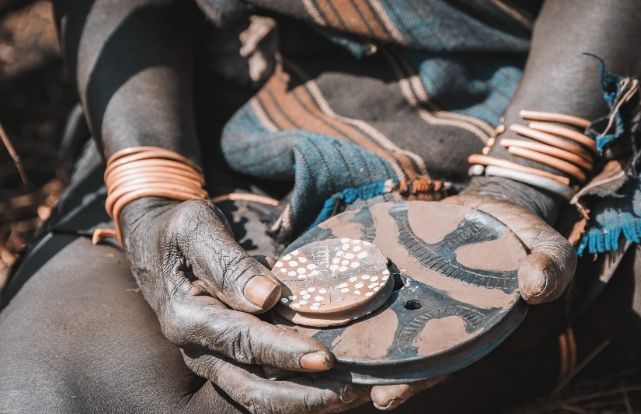
The woman with the largest plate might be worth 50 cattle - a fortune in their community. While this practice may seem extreme to outsiders, it represents a deep cultural tradition that defines beauty and value in their society.
And now, the tribe that shocked the world with their complete isolation...
1. The Guardians of Isolation — The Sentinelese

On North Sentinel Island in the Indian Ocean, time has stood still for thousands of years. The Sentinelese people have violently rejected all contact with the outside world. They've attacked approaching boats with arrows and even targeted helicopters after the 2004 tsunami.
Their complete isolation raises profound questions about progress and preservation. They represent one of the last truly untouched human civilizations, living exactly as their ancestors did millennia ago.

These seven tribes remind us that humanity's story is far more diverse and incredible than we often imagine. From the tree canopies of Papua to the depths of the ocean, people have found astonishingly different ways to live, love, and find meaning. Their existence challenges us to reconsider what it means to be human in a world of endless possibilities.
Related Articles


























Leave a Comment